

For many businesses, Facebook remains a core platform for visibility. The race to gain followers and likes can be intense. Purchased likes often seem like a shortcut. At first glance, higher numbers on a page may look impressive. Yet, quick numbers do not always translate into meaningful results. Questions such as where to buy genuine Facebook likes surface often, but artificial engagement can create an illusion of popularity without actually delivering genuine customer connections.
What Is Artificial Engagement
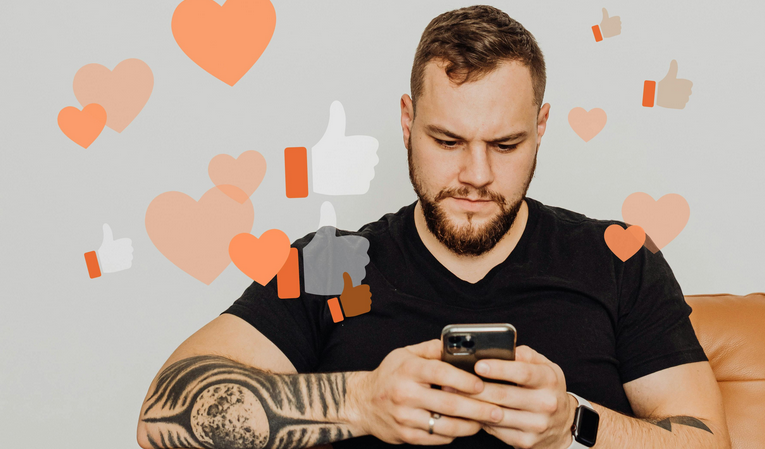
Artificial engagement is any form of interaction that is not genuine. It usually comes from bots, inactive accounts, or paid click farms. These likes are often sold in bulk at cheap rates. They make a page look more popular than it is. The problem lies in their lack of interaction beyond the click. Purchased followers rarely comment, share, or buy. Over time, this gap becomes obvious both to real users and to Facebook’s systems.
Why Facebook Relies on AI
Detecting fake engagement at scale requires advanced tools. Facebook hosts billions of accounts, and manual monitoring is impossible. Artificial Intelligence provides the needed reach and precision. AI can spot unusual patterns in likes and follows across the platform. It continuously learns from new data, adapting to evolving fraud tactics. This automated detection is central to keeping the ecosystem trustworthy.
How AI Detects Purchased Likes

AI looks at behavior, not just numbers. Genuine users scroll, pause, click links, and interact in unique ways. Fake accounts often lack this activity. A sudden spike of thousands of likes in a short time raises suspicion. AI checks if these likes come from regions with no link to the page’s market. It studies the history of accounts, how often they log in, and what they do. When engagement lacks depth, AI flags it as artificial.
Authentic Growth and Its Value
Authentic growth comes from real users who find value in a brand’s content. They engage because something resonates. This leads to comments, shares, and discussions. These activities fuel Facebook’s algorithm in a positive way. Unlike purchased likes, authentic engagement builds trust. A smaller but genuine audience can outperform a large but artificial one. The long-term benefit of real followers is customer loyalty, which no shortcut can replicate.
Consequences of Artificial Engagement

Pages that rely on fake likes face risks. First, the algorithm lowers its reach. Facebook does not promote content from pages that show suspicious patterns. Second, credibility suffers. Customers notice when thousands of likes appear on posts with no real interaction. Third, there are enforcement actions. Pages caught repeatedly may be penalized, restricted, or even shut down. The short-term gain of purchased likes can become a long-term setback.
The Path to Authentic Growth
Building genuine engagement requires patience and strategy. Content should provide value, whether through information, entertainment, or insight. Brands must interact with their audience and respond consistently. Paid ads can support growth if targeted carefully. These methods may not create overnight success, but they establish durable connections. Authentic growth does not just increase likes. It ensures the audience is invested, leading to deeper loyalty and real conversions.
As technology evolves, AI detection will only grow sharper. Facebook continues refining its systems to stay ahead of fraudulent tactics. This creates an environment where authentic growth holds utmost importance. Brands must adapt by focusing on genuine strategies rather than shortcuts. In the future, platforms may integrate even more advanced tools, from predictive analytics to cross-platform behavior tracking. Staying aligned with authenticity will always remain the safer path.