
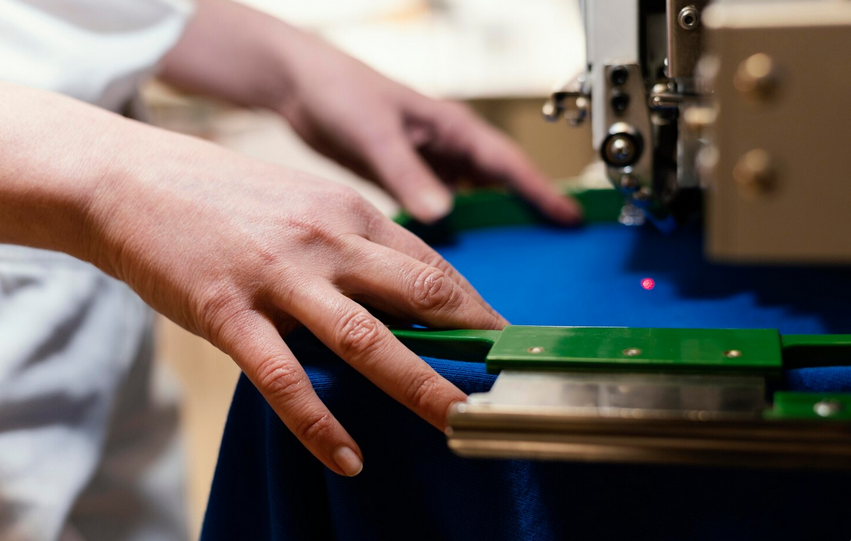
The world of DTF printing is evolving rapidly, with automation and AI transforming how designs are produced and applied to fabrics. These technologies are streamlining workflows, reducing errors, and enhancing precision, allowing printers to achieve consistent, high-quality results with less manual effort. For those curious about the latest innovations and how they can impact production efficiency, it’s worth taking the time to learn more about the integration of AI and automated systems in modern DTF setups. As the industry continues to advance, understanding these tools becomes essential for staying competitive and maximizing the potential of every print. This article explores the key ways automation and AI are reshaping DTF printing technology.
Enhancing Print Accuracy Through AI Monitoring
Artificial intelligence helps maintain precise color and design reproduction by analyzing each print in real time. Cameras and sensors can detect misalignment, ink density issues, or uneven powder distribution, allowing automatic corrections before errors become permanent. AI algorithms learn from previous prints, adjusting settings for specific fabrics or environmental conditions. This reduces waste and ensures that every transfer meets quality standards. For printers, AI-powered monitoring reduces reliance on manual checks, minimizing errors and ensuring consistent results across multiple batches, reinforcing reliability and customer satisfaction.
Automation Streamlines Repetitive Processes
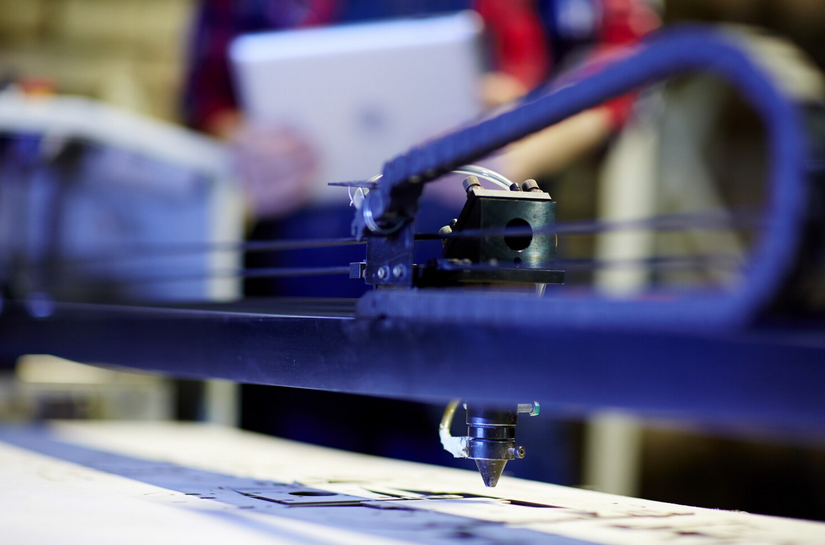
DTF printing involves multiple stages that benefit from automation, including film coating, powder application, curing, and transfer. Automated systems handle these steps with consistent timing and precision, reducing human error and fatigue. This is particularly useful for high-volume orders, where manual processes can slow production and introduce inconsistencies. Automation allows staff to focus on design and quality control rather than repetitive tasks. The result is faster production cycles, improved accuracy, and more predictable outcomes, which are essential for businesses aiming to scale operations without compromising print quality.
Data Driven Decision Making for Efficiency
AI integration extends beyond monitoring to optimize production strategies. By analyzing historical print data, AI can recommend ideal print speeds, temperature settings, or powder application methods for different materials. These insights help reduce trial-and-error, saving time, materials, and energy. Predictive analytics also support maintenance scheduling by identifying when equipment may need attention before breakdowns occur. This proactive approach improves uptime and ensures a smoother workflow. Data-driven decision-making gives printers a competitive edge, enabling them to produce high-quality transfers efficiently and consistently.
Supporting Customization and Flexibility
Automation and AI also make it easier to handle highly customized orders. From small-batch runs to intricate designs, systems can automatically adjust settings for each job, maintaining quality regardless of order size or complexity. AI-powered tools allow faster adaptation to different fabrics or inks, reducing setup time and minimizing errors. Printers gain flexibility to experiment with creative designs while maintaining reliability. This combination of customization, speed, and accuracy enhances customer satisfaction and expands business capabilities in the growing market for personalized apparel.
Automation and AI are reshaping DTF printing by increasing accuracy, efficiency, and flexibility. Real-time monitoring, automated processes, data-driven insights, and adaptive systems reduce errors, speed production, and improve print consistency. As these technologies advance, they allow printers to scale operations without compromising quality, while handling complex designs and customized orders with confidence. The integration of AI and automation ensures that DTF printing remains a versatile, reliable, and forward-looking solution for modern apparel decoration.