
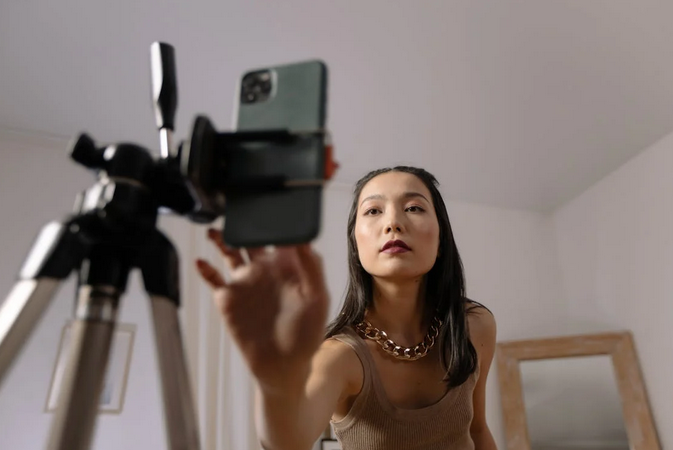
Video quality can make or break content, and shaky footage is a fast way to lose viewers. That’s why creators test different tools and tricks to keep their shots steady. In many instances, buying views on tiktok proves useless without the right skills to get the content seen organically—creating high-quality videos that are stable and smooth. But let’s focus on the gear that truly transforms video quality: the humble tripod.
The Right Tripod for the Job
Tripods aren’t one-size-fits-all. Some are built for compact cameras, while others can handle heavy DSLRs. Picking the wrong one means frustration and unsteady footage. Consider your setup before making a purchase, and don’t forget to factor in portability if you plan to film outside. Lightweight tripods sound tempting, but they can wobble with the slightest breeze. Heavier models give more stability but aren’t fun to carry. The sweet spot is something sturdy enough to handle your gear but not a nightmare to transport. Balance matters more than the price tag.
Leveling and Positioning Tricks
A tripod won’t do its job if it’s sitting unevenly. Always check the legs on flat ground. If filming on grass, push them slightly into the soil for added grip. Indoors, make sure they’re locked firmly in place. Height is another detail people ignore. Don’t crank your tripod to the tallest setting unless absolutely necessary. The higher it goes, the less stable it becomes. Keep it lower and use angles creatively to avoid a shaky shot.
Accessories That Boost Stability
Sometimes, the tripod alone isn’t enough. Adding small weights to the base can stop vibrations, especially outside. A simple bag filled with sand or even your backpack does the trick. Little tweaks like these add surprising steadiness. Another underrated helper is a remote shutter or timer. Pressing the camera button can create tiny shakes that ruin crispness. Using a remote keeps hands off the gear, leading to cleaner footage every time.
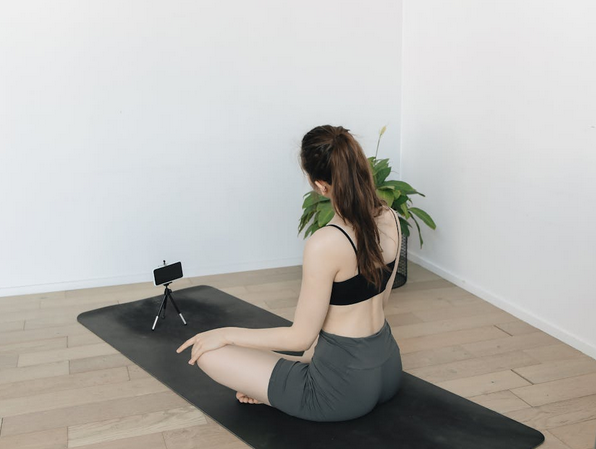
Practices That Separate Pros From Amateurs
Patience pays off. Rushing setup leads to uneven shots and wasted takes. Take a few extra seconds to double-check everything before you hit record. Those small details save hours later. Also, treat your tripod with care. Loose knobs or worn joints reduce stability. A quick maintenance check now and then keeps it reliable. Professional results don’t always need expensive equipment, just consistent habits.
Tripods for Different Content Styles
Not all content has the same demands. Vloggers often like flexible mini tripods for handheld use. Product reviewers need solid, eye-level setups that don’t move an inch. Outdoor filmmakers might prefer tripods with spiked feet to grip tricky surfaces. Knowing your content style makes choosing easier. You don’t need a shelf full of gear—just the right tool for your specific work. Matching tripod type to your filming style is what makes the difference between shaky amateur footage and smooth, professional-looking video.
Why Consistency Matters Most
Tripods aren’t glamorous, but they’re vital for good video. Shaky footage distracts viewers and makes content look rushed. A steady setup keeps attention on your message, not on a bouncing screen. Consistency is the real secret. Using your tripod correctly every time becomes second nature. Once it’s a habit, your videos instantly feel more polished, no matter the platform.