

AI + Architecture: The Next Evolution of SEO Framework Agencies
SEO has always been part science, part strategy. But today, it’s entering a new phase—one driven by artificial intelligence and smarter digital architecture. Search engines are more sophisticated, users expect better experiences, and competition is fiercer than ever. In response, SEO framework agencies are evolving. They’re no longer just optimizing pages; they’re engineering ecosystems. The combination of AI-powered insights and structured site architecture is redefining what scalable growth looks like. Agencies that embrace both aren’t just keeping up with algorithm changes—they’re building systems designed to adapt automatically.
AI as the Strategic Brain
Artificial intelligence has quickly become the strategic brain behind modern SEO campaigns. From predictive keyword modeling to automated content analysis, AI allows agencies to process massive datasets in minutes instead of weeks. This shift enables faster decision-making and sharper competitive insights. Teams that learn the agency SEO framework alongside AI tools gain a powerful advantage. They can identify ranking gaps, uncover emerging search trends, and optimize at scale without sacrificing quality. Instead of reacting to performance drops, AI helps forecast opportunities before competitors even notice them. The result is proactive growth rather than reactive troubleshooting.
Architecture as the Structural Backbone
While AI provides intelligence, architecture provides stability. A website’s structure determines how efficiently search engines crawl content and how easily users navigate information. Without strong architecture, even the best AI-driven insights can’t reach their full potential. Modern SEO agencies focus heavily on logical site hierarchies, internal linking systems, clean URL structures, and scalable content clusters. This architectural discipline ensures that as new content is added, it strengthens the overall ecosystem rather than creating chaos. Think of it as building a city instead of a collection of random houses—everything connects with intention.
Smarter Content Development

AI has dramatically improved content research and optimization. Agencies can now analyze search intent patterns, competitor structures, and semantic relationships to craft content that aligns precisely with what users want. But architecture ensures that this content doesn’t live in isolation. When AI-guided articles are placed within a structured framework of pillar pages and supporting clusters, they contribute to broader topical authority. Each new page reinforces existing themes, strengthening domain expertise. This integration transforms content from a traffic play into a long-term authority asset.
Automation Without Losing Strategy
One concern with AI in SEO is over-automation. Publishing generic content at scale may offer short-term gains, but it rarely builds lasting authority. The next evolution of SEO framework agencies strikes a balance between automation and human oversight. AI handles data analysis, performance tracking, and initial drafts, while strategists refine messaging, ensure brand alignment, and prioritize high-impact opportunities. This partnership allows agencies to move faster without sacrificing originality or depth. Automation increases efficiency, but a strategic approach ensures differentiation.
Adaptation to AI-Driven Search Results

Search engines themselves are now powered heavily by AI. Features like AI-generated summaries and evolving SERP layouts demand more comprehensive, context-rich content. Framework agencies design strategies that anticipate these shifts. By combining AI insights with strong architectural planning, they create content ecosystems capable of supporting multiple search features—from featured snippets to in-depth informational queries. Instead of chasing individual rankings, they optimize entire topic landscapes, making their clients more resilient to SERP volatility.
Data Feedback Loops for Continuous Growth
The real magic happens when AI and architecture create feedback loops. Performance data feeds into AI systems, which generate optimization recommendations. Those insights are implemented within a structured site framework, strengthening technical health and content relevance. The cycle then repeats. This continuous refinement model allows agencies to scale intelligently. Growth becomes iterative rather than sporadic. Small improvements compound over time, leading to significant competitive advantages.
AI and architecture aren’t competing forces in SEO—they’re complementary. Artificial intelligence delivers speed, precision, and predictive power. Strong site architecture delivers stability, scalability, and clarity. Together, they represent the next evolution of SEO framework agencies.…

How Automation and AI Are Entering DTF Printing Technology
The world of DTF printing is evolving rapidly, with automation and AI transforming how designs are produced and applied to fabrics. These technologies are streamlining workflows, reducing errors, and enhancing precision, allowing printers to achieve consistent, high-quality results with less manual effort. For those curious about the latest innovations and how they can impact production efficiency, it’s worth taking the time to learn more about the integration of AI and automated systems in modern DTF setups. As the industry continues to advance, understanding these tools becomes essential for staying competitive and maximizing the potential of every print. This article explores the key ways automation and AI are reshaping DTF printing technology.
Enhancing Print Accuracy Through AI Monitoring
Artificial intelligence helps maintain precise color and design reproduction by analyzing each print in real time. Cameras and sensors can detect misalignment, ink density issues, or uneven powder distribution, allowing automatic corrections before errors become permanent. AI algorithms learn from previous prints, adjusting settings for specific fabrics or environmental conditions. This reduces waste and ensures that every transfer meets quality standards. For printers, AI-powered monitoring reduces reliance on manual checks, minimizing errors and ensuring consistent results across multiple batches, reinforcing reliability and customer satisfaction.
Automation Streamlines Repetitive Processes
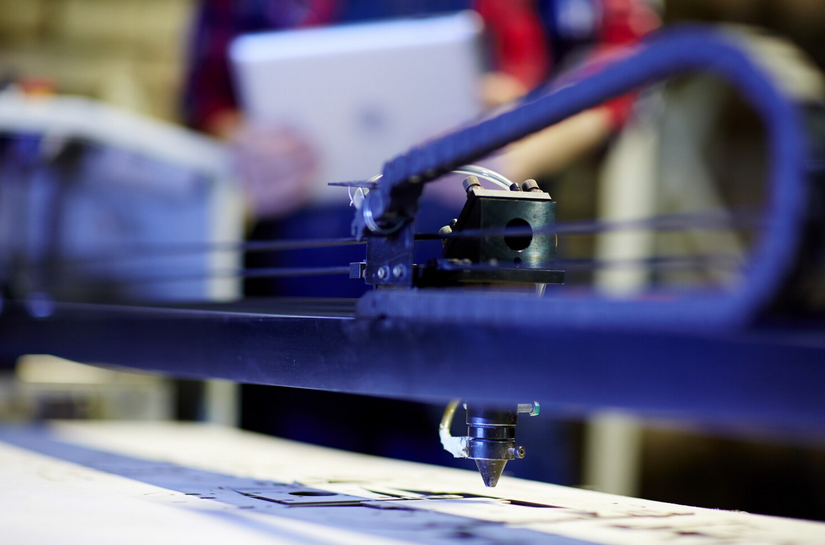
DTF printing involves multiple stages that benefit from automation, including film coating, powder application, curing, and transfer. Automated systems handle these steps with consistent timing and precision, reducing human error and fatigue. This is particularly useful for high-volume orders, where manual processes can slow production and introduce inconsistencies. Automation allows staff to focus on design and quality control rather than repetitive tasks. The result is faster production cycles, improved accuracy, and more predictable outcomes, which are essential for businesses aiming to scale operations without compromising print quality.
Data Driven Decision Making for Efficiency
AI integration extends beyond monitoring to optimize production strategies. By analyzing historical print data, AI can recommend ideal print speeds, temperature settings, or powder application methods for different materials. These insights help reduce trial-and-error, saving time, materials, and energy. Predictive analytics also support maintenance scheduling by identifying when equipment may need attention before breakdowns occur. This proactive approach improves uptime and ensures a smoother workflow. Data-driven decision-making gives printers a competitive edge, enabling them to produce high-quality transfers efficiently and consistently.
Supporting Customization and Flexibility

Automation and AI also make it easier to handle highly customized orders. From small-batch runs to intricate designs, systems can automatically adjust settings for each job, maintaining quality regardless of order size or complexity. AI-powered tools allow faster adaptation to different fabrics or inks, reducing setup time and minimizing errors. Printers gain flexibility to experiment with creative designs while maintaining reliability. This combination of customization, speed, and accuracy enhances customer satisfaction and expands business capabilities in the growing market for personalized apparel.
Automation and AI are reshaping DTF printing by increasing accuracy, efficiency, and flexibility. Real-time monitoring, automated processes, data-driven insights, and adaptive systems reduce errors, speed production, and improve print consistency. As these technologies advance, they allow printers to scale operations without compromising quality, while handling complex designs and customized orders with confidence. The integration of AI and automation ensures that DTF printing remains a versatile, reliable, and forward-looking solution for modern apparel decoration.…

How AI Is Changing Personal Productivity Tools
Artificial intelligence is transforming the way we approach personal productivity, offering tools that can automate tasks, streamline workflows, and enhance decision-making. From smart calendars to AI-driven writing assistants, these innovations are helping individuals manage time more efficiently and achieve their goals with less effort. Content creators are also taking note of AI’s potential, particularly when seeking to increase engagement and reach on digital platforms. By integrating AI into both daily productivity and content creation, users can work smarter, make more informed decisions, and capitalize on growth opportunities. The fusion of AI and productivity tools is reshaping how we achieve more in less time.
Enhanced Scheduling and Time Management
Scheduling meetings and managing time is another area where AI has a significant impact. AI-powered calendars can automatically suggest meeting times, optimize schedules, and detect potential conflicts. Some platforms even analyze user habits to recommend breaks or suggest when to tackle complex tasks based on peak productivity hours. These features reduce the cognitive load on individuals, ensuring that their time is used effectively without constant manual oversight.
Smarter YouTube Task Management
Skyrocket your YouTube views today with AI. As it has become a common goal for many creators looking to leverage AI-driven analytics, optimization tools, and recommendation strategies to expand their audience, the use of AI on content planning is now more common than ever. AI-driven task management tools are changing how users prioritize and post their creativity on YouTube. By analyzing patterns in schedules and past algorithms, these tools can suggest optimal upload orders, remind users of schedules, and even predict potential bottlenecks that might come along the progress. This proactive approach minimizes wasted time and allows YouTube content creators to focus on high-quality videos. As a result, seamless flow becomes less about constant content planning and more about executing tasks efficiently, with AI guiding the way.

Intelligent Note-Taking and Information Organization
Note-taking apps are also benefiting from AI integration. Tools can now transcribe audio, summarize content, and categorize information automatically. By recognizing key concepts and trends in notes, AI assists users in retrieving relevant information quickly. This not only saves time but also enhances decision-making and reduces the effort needed to manage large amounts of data. The ability to organize knowledge intelligently is especially valuable for students, professionals, and anyone managing multiple projects.
Automation of Repetitive Tasks
One of the most significant contributions of AI to productivity tools is automation. Repetitive tasks such as email sorting, data entry, or report generation can now be handled by AI algorithms. By taking over these mundane responsibilities, users free up mental energy to focus on creative or strategic work. Automation also reduces human error, ensuring tasks are completed accurately and consistently.
Personalized Insights and Recommendations
AI doesn’t just assist with task execution; it also provides insights to improve performance. By analyzing user behavior, AI tools can offer recommendations on productivity techniques, highlight areas for improvement, and even suggest new workflows. These personalized insights make productivity tools not only supportive but also educational, helping individuals work smarter and continuously refine their processes.
Artificial intelligence is revolutionizing personal productivity tools by making them smarter, more adaptive, and more capable of supporting individual work styles. From task management and scheduling to note-taking, automation, and personalized insights, AI enhances efficiency and reduces cognitive load. As these tools continue to evolve, they will empower users to achieve more with less effort, transforming how people manage their time, prioritize tasks, and accomplish goals in an increasingly complex world.…

The AI Editing Tools to Help You Become a Top YouTuber in 2025
YouTube is a place where creativity meets fame. If you want to start becoming a top YouTuber, mastering your editing game is a must. Thanks to advancements in artificial intelligence, there are now tools that can help you streamline your editing process, enhance the quality of your videos, and even make your content stand out without needing an army of editors. Let’s explore the best AI tools to elevate your YouTube content in 2025.
AI-Powered Video Editing With Adobe Premiere Pro

Adobe Premiere Pro has long been a staple for video editing, but its AI-powered features make it even more powerful in 2025. With tools like Auto Reframe, Adobe uses machine learning to crop and adjust your footage for various aspect ratios automatically, so your video fits perfectly on YouTube, Instagram, or TikTok. Additionally, the Scene Edit Detection feature, powered by Adobe Sensei, helps quickly cut out unnecessary parts of the video, saving time during the editing process. For creators who need to produce videos fast while maintaining high production quality, Adobe’s AI-enhanced tools offer a significant edge.
AI Video Enhancement With Topaz Video AI
Video enhancement is essential when you want to make sure every detail of your footage shines. Topaz Video AI uses machine learning to upscale videos, remove noise, and enhance resolution. Whether you’re working with low-quality footage or just want to make sure your videos look crisp and sharp, Topaz’s AI tool can be your ace. It can upscale video resolution up to 8K, making older or lower-resolution footage look stunning. This tool is perfect for YouTubers who want to improve the quality of their past videos or make their content look more polished. With AI-based video enhancement, your footage will maintain clarity and vibrancy even on larger screens.
AI-Driven Audio Editing With Descript

Your video’s audio is just as important as the visuals. Descript’s Overdub feature lets you create a synthetic version of your voice, allowing you to correct or re-record parts of your script without having to record new audio manually. The Multitrack Editing feature uses AI to separate different audio sources, making it easier to adjust background music, voiceovers, and sound effects.
AI-Enhanced Thumbnails With Canva
Your thumbnail is often the first thing viewers see when browsing YouTube, so making it stand out is crucial. Canva’s AI-driven design features help you create eye-catching thumbnails with minimal effort. Using templates and smart resize features, you can adjust your thumbnails for optimal performance on YouTube’s platform. Canva’s AI will also recommend design elements based on trends, giving you an edge in creating visually appealing thumbnails. Thumbnails are critical for grabbing attention, and Canva’s AI can suggest design elements and styles that increase your chances of getting noticed. It’s a perfect tool for creators looking to maximize engagement.
If you’re serious about becoming a top YouTuber, incorporating AI into your editing process can give you the edge you need to stand out in an increasingly crowded space. These tools are ready to help you save time, enhance your videos, and build a professional brand, all while keeping your budget in check.…