Why Instagram Knows Exactly What You’ll Watch Next
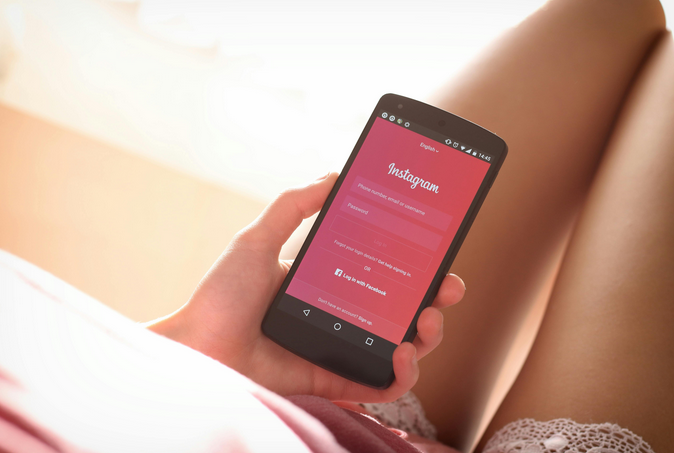
You open Instagram for five minutes and somehow lose half an hour. That feeling is not a coincidence or magic. The app reacts faster than most people think, building expectations from behavior instead of promises. Discussions around shortcuts to buy Instagram followers cheap pop up often. But prediction tech is the real force deciding what reaches eyes and what vanishes quietly. Instagram studies attention like a stock trader watches charts. It listens before it speaks. Every interaction becomes feedback. Over time, your feed turns into a mirror that rarely blinks.
Tiny Actions Train the System
Every scroll carries weight, even when it feels automatic. A pause longer than a blink signals curiosity. A replay screams interest. Skipping fast sends a loud “no thanks” message. Likes are helpful, but they are not the main course. Saves and shares pack more punch because they show intent beyond approval. Muting audio, tapping profiles, or expanding captions adds context that sharpens predictions with surprising speed. The system does not wait for perfection. It builds confidence from repetition. Similar actions over time lock in assumptions. That is why feeds feel accurate even when users think they behave randomly.
Watch Time Is the Silent King
Instagram values attention length more than visible reactions. A video watched to the end matters more than ten likes followed by a quick swipe. Completion tells the system the content held focus. Rewatches amplify that signal. Staying through the last frame sends a stronger message than comments ever could. Even slowing down scroll speed changes outcomes, quietly tipping future recommendations. This focus on watch time explains why short clips dominate. They finish easily. Completion rates soar. The system favors what keeps eyes glued without friction, rewarding content that fits natural scrolling habits.
Testing Happens Before Anything Goes Big
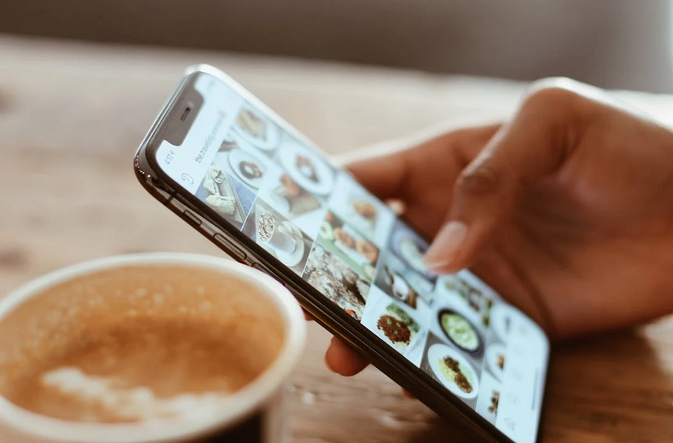
Every video enters a trial run. Instagram shows it to a limited group first. That group’s behavior decides the next step. Strong engagement expands reach. Weak response ends momentum early. This test phase is quick and ruthless. Early viewers unknowingly act as judges. Their behavior matters more than follower count or posting history. The system reacts to energy, not reputation. Timing plays a role here. Audiences behave differently at night than during lunch breaks. The same video can sink or soar depending on when those first signals land.
Your Feed Is a Reinforcing Loop
Instagram feeds are shaped by feedback cycles. Watch comedy clips tonight, and tomorrow brings more jokes. Linger on tutorials and the feed shifts tone. The system mirrors habits almost instantly. Breaking this loop takes effort. Actively searching for new topics helps. Spending time on unfamiliar formats nudges change. Without intervention, the system defaults to comfort and repetition. This loop explains why feeds feel cozy yet repetitive. Familiar content lowers exit risk. The app prioritizes what keeps people scrolling calmly instead of challenging preferences aggressively.
Creators Feel the Algorithm Breathing
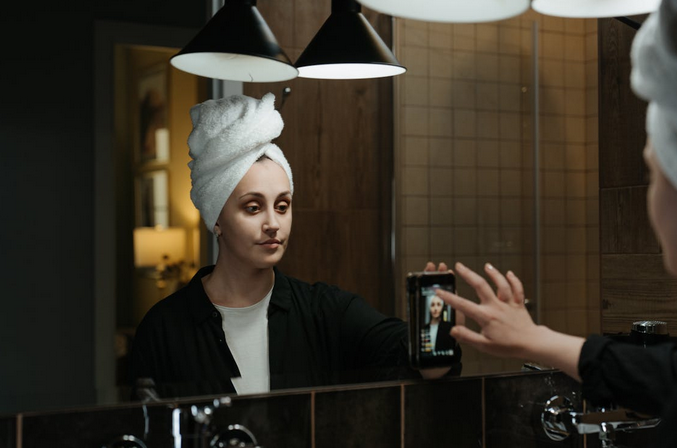
Creators experience the system differently. A video may stall for hours, then suddenly surge. That spike often ties back to delayed engagement waves, not randomness. Audience behavior triggers release valves. Retention matters most here. Holding attention beats flashy openings alone. Comments help, but silent watches still count. The system measures focus, not noise. This is why creators chase consistency. Predictable engagement patterns help the system trust content faster. Momentum builds when behavior aligns with expectation, not hype.
Instagram knows what you will watch next because it learned from what you already watched. Your pauses taught it. Your boredom corrected it. Your curiosity refined it. The app does not guess. It listens, remembers, and responds with unnerving accuracy.…