
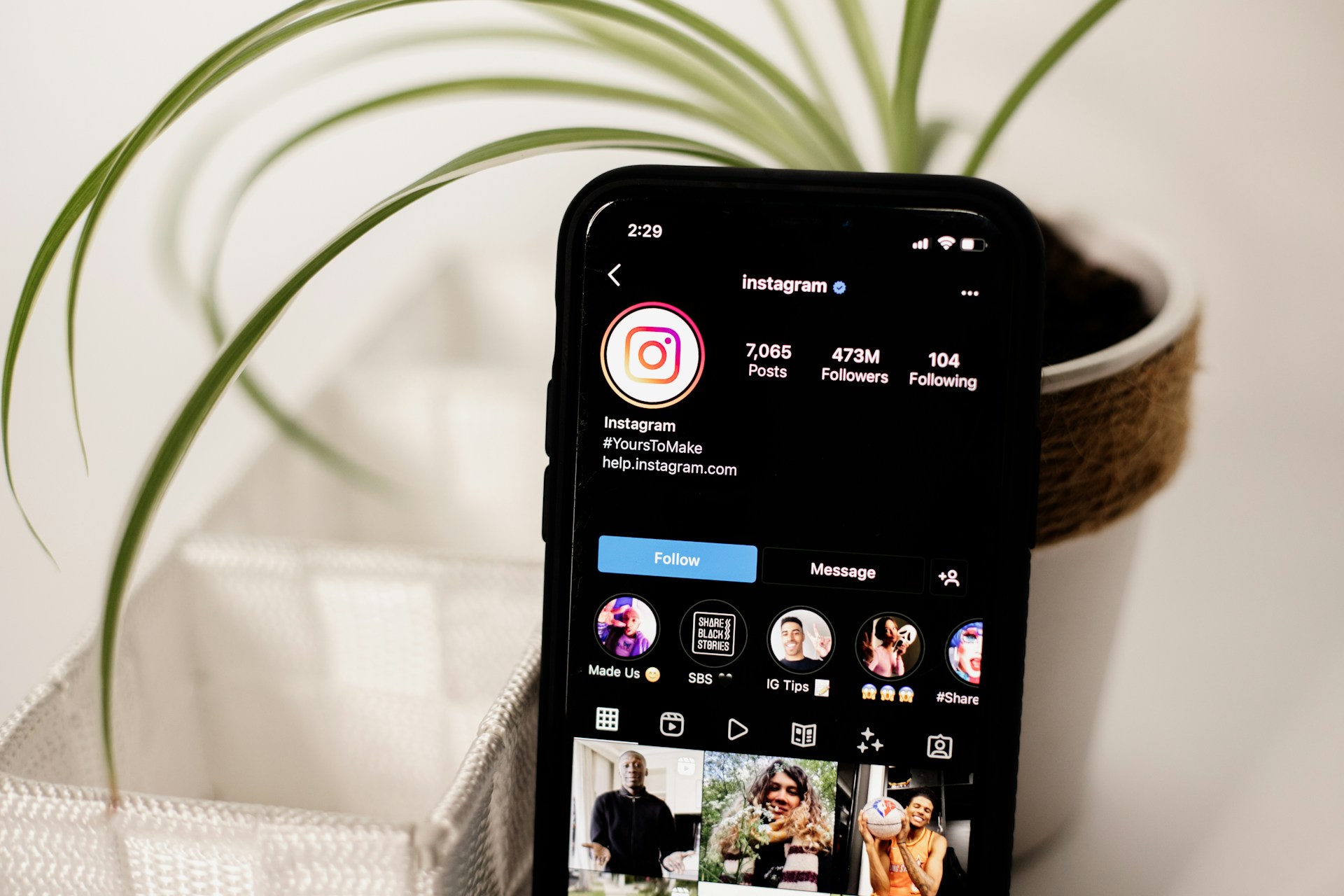
Phishing, Malware & Fake Views: How Scammers Target IG Users
Instagram feels simple on the surface. You scroll, you tap, you laugh at memes that somehow hit a little too close to home. But hidden in all that convenience sits a whole stack of tricks built to trap users who don’t use the most recommended sites to buy Instagram views. Of course, it also means to question what they’re clicking. And with so many people curious about shortcuts, scammers know exactly which bait to put out. The trouble is that fake services have gotten slick. Some pages look polished. Some sound helpful. A few even imitate legitimate brands so well that you’d swear you’ve seen them before.
How Fake IG Views Sites Trick Users
 Scammers love posing as “growth platforms” because it’s easy to convince someone they’re getting fast engagement. Many of these pages ask for your login details right away. They claim it’s necessary for the process, which should already make your eyebrows rise. Instagram doesn’t require you to hand your password to third-party sites for simple view boosts. Some fake pages take it further and request credit card information. This is where problems snowball. A single form submission can lead to drained accounts, copied data, and access to your IG profile for months. And what’s worse is that these sites often disappear without a trace as soon as they’ve collected enough victims.
Why Malware Is a Bigger Issue Than People Realize
A lot of users picture malware as something that only hits office computers with crowded desktops and ancient software. But phones carry just as much risk. One bad file download can silently install code that logs everything you type. Scammers know social media users crave quick numbers. They use that eagerness to push pop-ups, fake security alerts, or downloads promising instant results. Once installed, the malware can observe your passwords, messages, and even background activity—without any obvious signs.
Phishing Tricks That Fool Even Tech-Savvy Users
 Phishing doesn’t always arrive as an email full of typos. Some scammers now send messages that look identical to Instagram notifications. I’ve seen alerts that mimic two-factor prompts or copyright warnings, each with buttons that send you straight into a trap. They create urgency so you rush instead of thinking. There are also fake support accounts pretending to rescue users from “policy violations.” Their messages seem friendly at first. Then they send you a link that pulls information straight out of your account. Scammers count on the moment you’re stressed or annoyed, because that’s when people tap without checking.
Simple Tech Habits That Add Real Protection
You don’t need advanced skills to guard yourself. Start by using password managers so you never recycle codes. These tools also warn you if a login page isn’t legit. It’s a small step that blocks a huge number of attacks. Two-factor authentication helps too, especially app-based versions that can’t be intercepted through text messages. You should also avoid logging in through random pages that make big promises. If something feels odd, back out and breathe for a second. Real platforms don’t ask you to hand over sensitive data for basic services. And you can usually verify anything through Instagram’s own settings instead of trusting pop-ups or random messages.…