
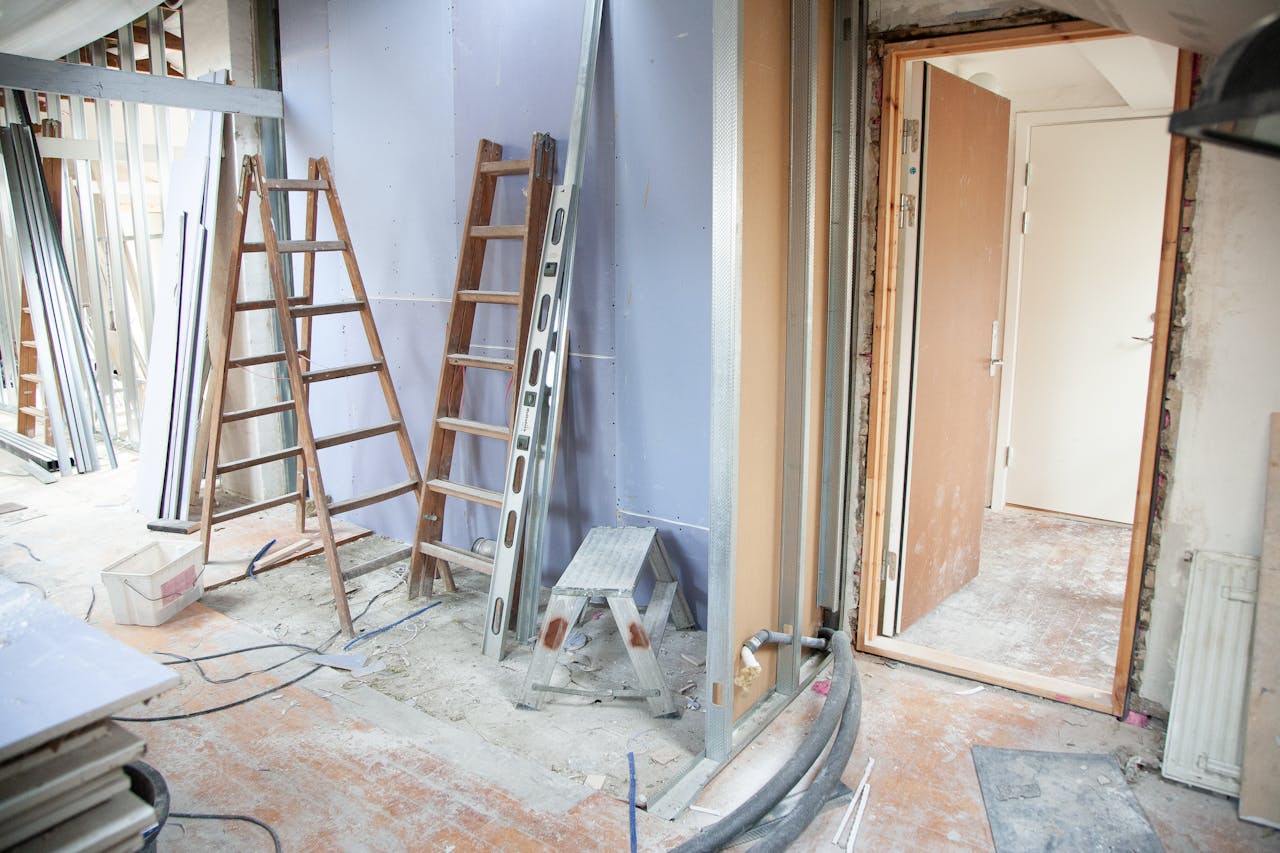
Common Tech Mistakes Homeowners Make During Renovations
Are you planning a home renovation and want to make your living space smarter? It’s easy to get excited about adding cutting-edge technology to your home, but many homeowners fall into traps that can be expensive or irreversible. From poor planning to overlooking the wiring, tech blunders can quickly snowball into major regrets. Before you start tearing down walls or installing devices, it’s worth pausing to learn from the missteps of others. Genuine feedback on Buy Real Media’s services gives you an inside look on all things tech that can save you both time and money. Now let’s look at five common tech mistakes to avoid during your home upgrade.
Ignoring Future-Proofing
 Many homeowners focus solely on the current setup without thinking about future compatibility. Technology changes fast. What’s considered high-end today could feel dated in just a couple of years. When integrating smart lighting, security, or climate control systems, go for products that can adapt with software updates or work across multiple platforms. Skipping this could leave you with tech that’s obsolete—and a house that feels stuck in the past.
Choosing Style Over Function
Yes, those sleek wall-mounted panels or trendy smart thermostats look appealing. But if they don’t deliver consistent performance, are difficult to use, or have limited compatibility, they’ll only cause frustration. It’s tempting to follow design trends during renovation, but functionality should be the priority. Check if your devices will work reliably, especially with your Wi-Fi setup. Beauty fades fast when the device doesn’t respond to your voice or phone commands.
Failing to Upgrade Electrical Infrastructure
A surprising number of people jump into tech installations without updating their home’s electrical backbone. Smart devices often demand more consistent power and need special wiring, like neutral wires for certain smart switches. Also, insufficient outlets or outdated circuit breakers can limit what you’re able to connect or automate. Get a licensed electrician to inspect your setup before renovation. It’s a step many skip—and regret later.

Overloading the Wi-Fi
You can have the most advanced gadgets in your home, but they won’t function properly if your internet connection can’t support them. A few smart lights and a speaker won’t do much damage, but once you throw in video doorbells, cameras, connected appliances, and multiple voice assistants, things can get slow fast. During renovations, think about upgrading your router or adding Wi-Fi extenders to handle the increased load.
Skipping Professional Advice
DIY tech setups can be fun and budget-friendly—until they’re not. Homeowners often underestimate how complex it is to integrate a complete smart ecosystem. Each device might work fine on its own, but syncing them into one seamless control system isn’t always easy. Even worse, installing things incorrectly could void warranties or lead to safety hazards. Bringing in a certified smart home consultant or tech-savvy contractor early can save time, money, and frustration down the line.
Conclusion
 Home renovations already come with plenty of decisions, and tech integration adds a whole new layer. But by avoiding the five mistakes outlined above, you’ll not only save yourself headaches—you’ll also create a home that genuinely works for your lifestyle. Whether it’s wiring upgrades or better Wi-Fi planning, a little attention upfront goes a long way in creating a more convenient and connected living space.…
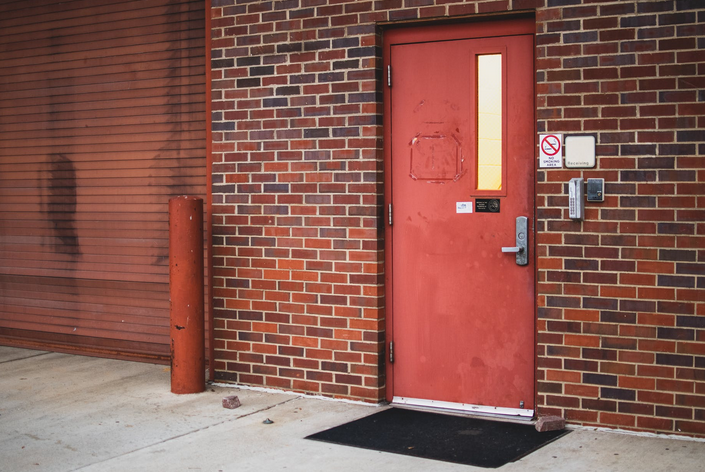
How to Choose a Home Security System
When it comes to choosing a wireless home security systems, there are a lot of factors to consider. How much can you afford to spend? What type of system do you need? What features are important to you? This blog post will discuss some of the key things to keep in mind when making your decision. We will also provide a few tips on how to get the best deal on a home security system. When you’re starting your search or you’re already familiar with the options, read on for helpful advice!
Entry Sensors
 One of the most important things to consider when choosing a home security system is the type of sensors you need. Entry sensors detect when someone opens a door or window, while motion detectors sense movement in a room. Smoke detectors detect fires before they become too large. When it comes to entry sensors, there are two main types: contact and non-contact.
Which type you choose depends on your needs and budget. If you’re looking for the most affordable option, contact sensors are the way to go. If you’re more concerned about security and want to ensure that unauthorized people can’t get into your home, go with non-contact sensors.
Motion Sensors
Motion detectors are another critical consideration. There are two types: passive and active. Passive motion detectors only detect movement when someone is close to them, while active motion detectors can see through walls. If you’re looking for an all-around sensor, go with an active motion detector. If you only need a sensor in one specific area of your home, a passive motion detector will do the job.
Smoke Detectors
 Smoke detectors are also essential to consider when choosing a security system. There are two types: ionization and photoelectric. Ionization smoke detectors are more sensitive and can detect smaller fires, while photoelectric smoke detectors are less sensitive but better at detecting large fires. Which type you choose depends on your needs and budget. If you’re looking for a primary smoke detector that will alert you to any fire, go with an ionization model. If you want a smoke detector that is more sensitive to smaller fires, choose an ionization model. If you want a smoke detector that can detect large fires, go with a photoelectric model.
Sirens and Alarms
 When it comes to home security, one of the essential things is to sound the alarm in an emergency. Most home security systems come with a siren or alarm that will go off when someone tries to break into your home. Make sure to pick a system with a siren or alarm that is loud enough to be heard throughout your home.
What’s the best home security system for you? There are various options, and it can be challenging to decide which security company is suitable for your needs. As such, we hope these tips will allow you to answer this question better so that you feel confident in your decision. If there’s anything we’ve missed or any other information you want, just let us know by commenting below! We’re always happy to help out with all things related to safety and surveillance technology.…