
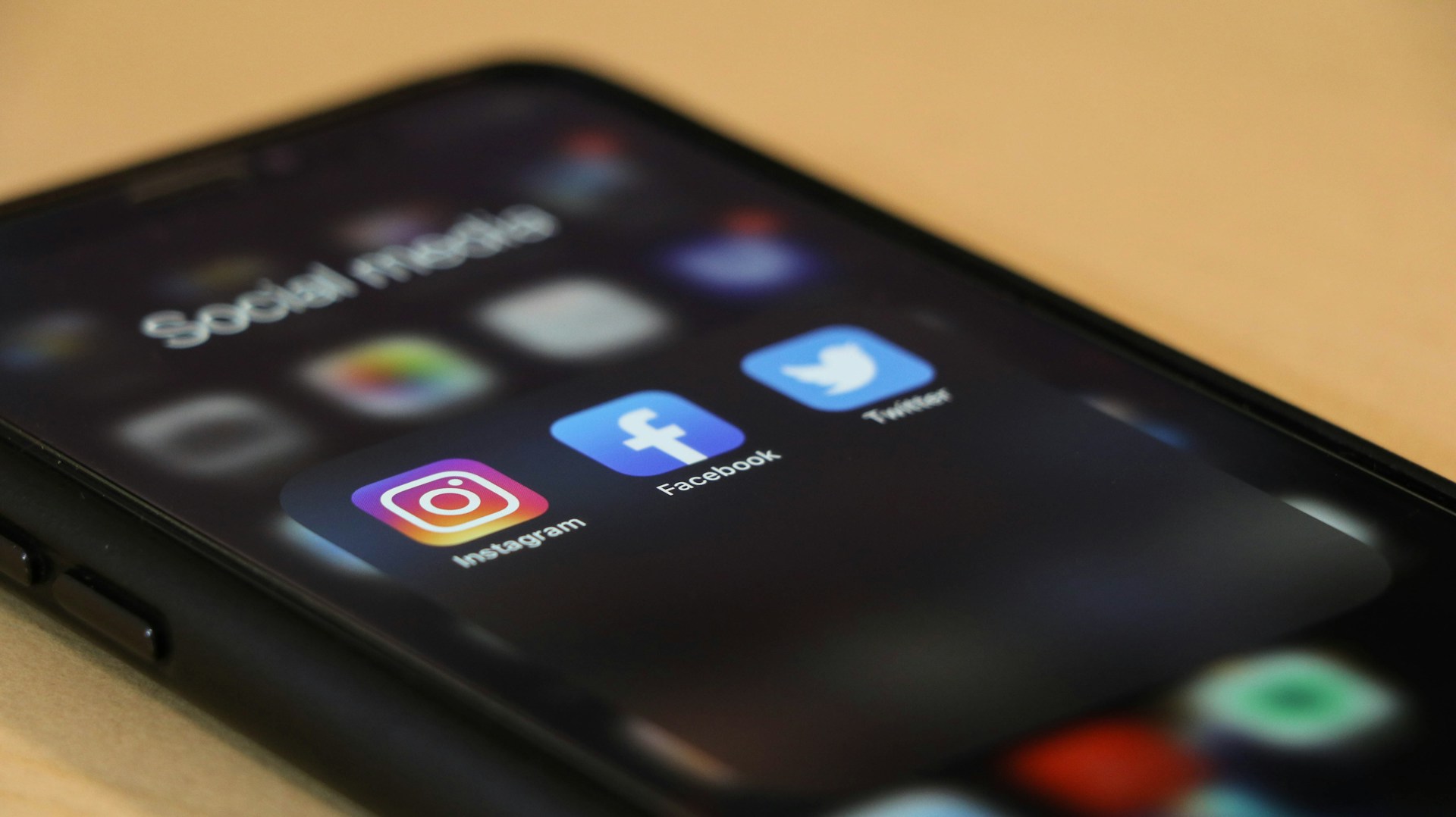
Top Pitfalls to Avoid When Trying to Grow Engagement on Social Media
Growing engagement on social media is an essential goal for creators, marketers, and influencers seeking to expand reach and strengthen their online presence. However, many struggle to achieve consistent results, often due to avoidable mistakes that limit interaction and visibility. From poorly planned content to ignoring audience behavior, these pitfalls can slow growth and reduce impact. Some creators even turn to quick fixes to boost metrics, like artificial likes, but without proper understanding, this approach can backfire. For those exploring ways to increase engagement safely and affordably, it’s worth considering services that get cheap YouTube likes to enhance visibility while maintaining credibility. Below are key errors to avoid to grow social media engagement effectively.
Ignoring Audience Insights
 One major mistake is failing to study the audience’s preferences and behavior. Social media platforms offerthat reveal which types of posts resonate most, peak engagement times, and demographic trends. Ignoring such insights can lead to content that misses the mark, resulting in low likes, shares, and comments. Creators should regularly monitor analytics to adapt content strategies, posting schedules, and messaging to match audience interests. This targeted approach maximizes engagement and prevents wasted effort on content that fails to connect.
Over-Promoting Products or Services
Excessive self-promotion is another common pitfall. While promoting products or services is part of social media marketing, overwhelming followers with promotional content can reduce engagement and lead to unfollows. Audiences tend to respond better to posts that provide value, entertainment, or insights rather than constant sales pitches. Balancing promotional content with informative, engaging, or interactive posts encourages more meaningful interactions. This method strengthens audience trust, making promotional messages more effective when used sparingly.
Inconsistent Posting Schedules
Consistency is crucial for maintaining visibility and engagement. Many creators post irregularly, which can confuse followers and reduce their likelihood of interaction. Without a predictable schedule, content may be overlooked, and the algorithm may deprioritize posts. Developing a regular posting calendar ensures followers know when to expect new content, improving engagement rates. Even if daily posts aren’t possible, maintaining consistency in timing and frequency builds audience loyalty and keeps the channel active in social feeds.
Failing to Interact With Followers

Many creators make the error of posting content but not engaging with their audience. Social media is like a two-way street, and ignoring messages, comments and mentions can diminish community growth. Responding to questions, acknowledging feedback, and participating in discussions helps build loyalty and encourages more engagement. Users are likely to interact with accounts that show responsiveness and genuine interest in their audience. Engagement is enhanced when creators foster a sense of connection rather than treating their audience as passive viewers.
Neglecting Visual and Formatting Quality
Poor visuals, low-quality images, or badly formatted text can significantly reduce engagement. Social media is platform thats highly visual, and low-quality content may fail to capture attention or appear unprofessional. Creators should invest in clear images, well-designed graphics, and readable captions. Videos should be sharp, well-lit, and edited to maintain viewer interest. High-quality visuals not only attract more likes and shares but also convey credibility and encourage followers to interact with content.
Growing social media engagement requires more than posting frequently or chasing metrics. Avoiding key errors such as neglecting audience insights, over-promoting products, posting inconsistently, overlooking visual quality, and failing to interact with followers is essential. By focusing on creating value, maintaining consistency, and cultivating meaningful connections, creators can build stronger online communities and encourage sustainable growth.…

Tech Tools That Help Decode the Value of a Like in Real-Time
In today’s digital landscape, the value of a like goes far beyond a simple thumbs-up. Businesses and creators are turning to advanced analytics platforms to measure engagement and understand what each interaction really means. Tools that track fb likes in real-time can reveal patterns about audience behavior, content performance, and overall reach. This data-driven approach allows users to adjust their strategies quickly, ensuring that every post contributes to long-term growth. By leveraging technology to decode engagement, brands can move past vanity metrics and start uncovering the true impact of their social media presence.
Social Media Analytics Platforms
Analytics platforms, such as Facebook Insights, Instagram Insights, and Twitter Analytics, offer immediate feedback on post performance. These tools break down likes by demographics, location, and device usage, helping you identify which audiences are engaging most. Real-time data enables you to identify patterns quickly, whether a particular type of photo, caption, or timing consistently attracts more likes. By monitoring these analytics, creators can make on-the-fly adjustments to improve engagement.
Third-Party Engagement Tools

Tools such as Sprout Social, Hootsuite, and Buffer take analytics a step further by integrating multiple platforms into one dashboard. They provide detailed engagement metrics, including like velocity—the rate at which posts gather likes after publication. This information helps determine how long content remains relevant and when it starts to lose traction. These tools also allow side-by-side comparisons of posts, offering a clearer picture of what content strategy drives consistent interaction.
Sentiment and Context Tracking
Not all likes carry the same meaning. Some indicate genuine appreciation, while others may reflect fleeting interest. Tools like Brandwatch and Talkwalker incorporate sentiment analysis to evaluate the context behind engagement. By tracking mentions, hashtags, and user interactions, these tools show whether likes align with positive sentiment or broader conversations. This deeper layer of analysis adds more meaning to the simple act of liking.
AI-Powered Insights

Artificial intelligence has introduced smarter ways to interpret likes in real-time. Platforms like Cortex and Lately AI analyze visuals, captions, and posting patterns to predict which content will perform best. These tools don’t just report on what happened; they forecast future engagement trends. By identifying which factors contribute most to likes, AI-driven platforms help creators and businesses refine their strategies before posting, saving both time and effort.
Real-Time Alerts and Dashboards
For businesses and influencers who thrive on fast reactions, real-time dashboards and alerts can be game changers. Tools such as Google Data Studio or custom APIs deliver instant notifications when engagement spikes or slows down. This allows teams to respond quickly, amplify trending posts, or adjust content schedules. Real-time monitoring ensures no opportunity for growth slips through the cracks.
Decoding the value of a like in real-time requires more than counting numbers—it’s about understanding the context, velocity, and patterns behind them. From native analytics to AI-powered forecasting, tech tools provide the insights needed to transform likes into strategy. By leveraging real-time dashboards, sentiment analysis, and third-party integrations, creators and businesses can better understand their audiences and maximize engagement. Ultimately, the value of a like lies in how effectively you use the data behind it to grow your online presence.…

Ways AI Is Changing the Game in Social Media Security
Social media platforms have become digital battlegrounds where cybercriminals wage war against user safety. Traditional security measures are crumbling under the weight of sophisticated attacks and massive user bases. What Users Are Saying About Buy Real Media is very important to consider. This way, you can make reasonable decisions. Enter artificial intelligence—the game-changer that’s revolutionizing how we protect millions of users online. Think of AI as the superhero swooping in just when things looked hopeless. These intelligent systems are transforming social media security from reactive damage control into proactive protection. The stakes couldn’t be higher, and AI is rising to meet the challenge head-on.
Real-Time Content Moderation and Threat Detection
Gone are the days when human moderators could manually review every post, comment, and message across platforms. AI algorithms now scan billions of pieces of content in milliseconds, catching harmful material before it spreads like wildfire. These systems learn from patterns in cyberbullying, hate speech, and harassment to identify threats with impressive accuracy. Machine learning models can spot subtle signs of coordinated attacks that would slip past human reviewers. The technology adapts continuously, staying one step ahead of bad actors who constantly evolve their tactics. This lightning-fast response time means fewer users fall victim to online abuse and dangerous content.
Advanced Fraud Prevention and Account Security

Artificial intelligence has become the digital equivalent of a bloodhound, sniffing out fraudulent accounts and suspicious behavior patterns. These systems analyze login patterns, device fingerprints, and behavioral biometrics to distinguish legitimate users from imposters. AI can detect when someone’s account has been compromised before the actual user even realizes something’s wrong. Sophisticated algorithms identify fake profiles created for spreading misinformation or conducting scams with remarkable precision. The technology examines everything from typing patterns to mouse movements, creating comprehensive user profiles that are nearly impossible to fake. Social media companies can now stop fraud attempts in their tracks rather than clean up the mess afterward.
Automated Privacy Protection and Data Management
Smart algorithms are taking charge of protecting user privacy by automatically detecting and flagging potential data breaches. AI systems monitor how personal information flows through social platforms, alerting users when their data might be at risk. These intelligent guardians can identify when third-party apps are requesting excessive permissions or behaving suspiciously with user data. Machine learning models analyze sharing patterns to warn users before they accidentally expose sensitive information publicly. The technology helps platforms comply with privacy regulations by automatically categorizing and protecting different types of personal data. Users no longer need to be privacy experts themselves—AI handles the heavy lifting behind the scenes.
Predictive Analytics for Emerging Security Threats

Artificial intelligence doesn’t just respond to current threats—it predicts what’s coming next. These systems analyze global attack patterns to forecast emerging security risks before they become widespread problems. AI models can identify the early warning signs of new types of social engineering attacks or malware campaigns. The technology processes vast amounts of threat intelligence data to spot trends that human analysts might miss. Predictive algorithms help security teams prepare defenses against attacks that haven’t even been launched yet. This forward-thinking approach transforms social media security from playing defense to taking the offensive against cyber criminals.
The integration of AI into social media security represents a fundamental shift in how we protect digital communities. These intelligent systems are closing security gaps that seemed impossible to bridge just a few years ago. From instant content moderation to predictive threat analysis, AI is creating safer online spaces for everyone. The technology continues advancing at breakneck speed, promising even more sophisticated protection mechanisms on the horizon. While cybercriminals won’t give up easily, they’re now facing an opponent that learns, adapts, and evolves just as quickly as they do. The future of social media security looks brighter than ever, thanks to artificial intelligence standing guard.…