
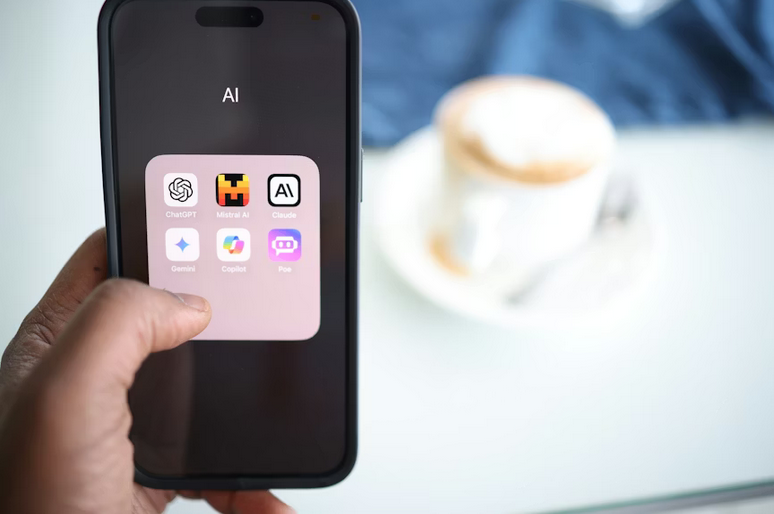
AI + Architecture: The Next Evolution of SEO Framework Agencies
SEO has always been part science, part strategy. But today, it’s entering a new phase—one driven by artificial intelligence and smarter digital architecture. Search engines are more sophisticated, users expect better experiences, and competition is fiercer than ever. In response, SEO framework agencies are evolving. They’re no longer just optimizing pages; they’re engineering ecosystems. The combination of AI-powered insights and structured site architecture is redefining what scalable growth looks like. Agencies that embrace both aren’t just keeping up with algorithm changes—they’re building systems designed to adapt automatically.
AI as the Strategic Brain
Artificial intelligence has quickly become the strategic brain behind modern SEO campaigns. From predictive keyword modeling to automated content analysis, AI allows agencies to process massive datasets in minutes instead of weeks. This shift enables faster decision-making and sharper competitive insights. Teams that learn the agency SEO framework alongside AI tools gain a powerful advantage. They can identify ranking gaps, uncover emerging search trends, and optimize at scale without sacrificing quality. Instead of reacting to performance drops, AI helps forecast opportunities before competitors even notice them. The result is proactive growth rather than reactive troubleshooting.
Architecture as the Structural Backbone
While AI provides intelligence, architecture provides stability. A website’s structure determines how efficiently search engines crawl content and how easily users navigate information. Without strong architecture, even the best AI-driven insights can’t reach their full potential. Modern SEO agencies focus heavily on logical site hierarchies, internal linking systems, clean URL structures, and scalable content clusters. This architectural discipline ensures that as new content is added, it strengthens the overall ecosystem rather than creating chaos. Think of it as building a city instead of a collection of random houses—everything connects with intention.
Smarter Content Development

AI has dramatically improved content research and optimization. Agencies can now analyze search intent patterns, competitor structures, and semantic relationships to craft content that aligns precisely with what users want. But architecture ensures that this content doesn’t live in isolation. When AI-guided articles are placed within a structured framework of pillar pages and supporting clusters, they contribute to broader topical authority. Each new page reinforces existing themes, strengthening domain expertise. This integration transforms content from a traffic play into a long-term authority asset.
Automation Without Losing Strategy
One concern with AI in SEO is over-automation. Publishing generic content at scale may offer short-term gains, but it rarely builds lasting authority. The next evolution of SEO framework agencies strikes a balance between automation and human oversight. AI handles data analysis, performance tracking, and initial drafts, while strategists refine messaging, ensure brand alignment, and prioritize high-impact opportunities. This partnership allows agencies to move faster without sacrificing originality or depth. Automation increases efficiency, but a strategic approach ensures differentiation.
Adaptation to AI-Driven Search Results

Search engines themselves are now powered heavily by AI. Features like AI-generated summaries and evolving SERP layouts demand more comprehensive, context-rich content. Framework agencies design strategies that anticipate these shifts. By combining AI insights with strong architectural planning, they create content ecosystems capable of supporting multiple search features—from featured snippets to in-depth informational queries. Instead of chasing individual rankings, they optimize entire topic landscapes, making their clients more resilient to SERP volatility.
Data Feedback Loops for Continuous Growth
The real magic happens when AI and architecture create feedback loops. Performance data feeds into AI systems, which generate optimization recommendations. Those insights are implemented within a structured site framework, strengthening technical health and content relevance. The cycle then repeats. This continuous refinement model allows agencies to scale intelligently. Growth becomes iterative rather than sporadic. Small improvements compound over time, leading to significant competitive advantages.
AI and architecture aren’t competing forces in SEO—they’re complementary. Artificial intelligence delivers speed, precision, and predictive power. Strong site architecture delivers stability, scalability, and clarity. Together, they represent the next evolution of SEO framework agencies.…

Understanding Dependency Conflicts During Software Installation and Setup
Installing new software should be a smooth process, yet dependency conflicts often make setup frustrating for users. These issues arise when required libraries, frameworks, or system components clash with existing versions, causing errors, crashes, or incomplete installations. Such problems are common across many applications, including cases where users attempt to run azam max for pc without fully compatible system requirements. Understanding how dependencies work and why conflicts occur can save time and prevent repeated failures during setup. By exploring the root causes and warning signs of dependency conflicts, this article helps you approach software installation with greater confidence and fewer interruptions.
What Dependency Conflicts Actually Are
Dependency conflicts arise when a program relies on external components that are missing, outdated, or incompatible with other installed software. Many applications depend on shared libraries to function correctly, but different programs may require different versions of the same library. When one version replaces another, previously working software may break. This situation is common in development environments, package managers, and systems that run multiple applications simultaneously. The conflict itself is rarely caused by user error. Instead, it stems from how software dependencies are structured, shared, and managed within an operating system.
Why Conflicts Appear During Installation

Most dependency conflicts surface during installation because that is when the system checks required components. If the installer detects missing or incompatible libraries, it may stop the process to prevent unstable behavior later. Conflicts are more likely when systems are frequently updated, when manual installations bypass package managers, or when legacy software is involved. Differences between system architectures and operating system versions also contribute. What works perfectly on one machine may fail on another due to subtle environmental differences that affect how dependencies are resolved during setup.
How Dependency Management Tools Help
Dependency management tools are designed to reduce conflicts by tracking versions and relationships between software components. Package managers automatically install compatible dependencies and warn users when disputes arise. Virtual environments and container systems isolate applications so they do not interfere with each other’s requirements. These tools improve reliability and make setups more predictable, especially for complex projects. While they do not eliminate all conflicts, they significantly reduce the risk by separating environments and maintaining consistent dependency rules across installations.
Dependency conflicts are a common but manageable part of software setup. They occur when applications compete for incompatible versions of shared components, often revealing themselves during installation. By understanding how dependencies work and why conflicts appear, users can approach setup issues with more confidence. Using proper dependency management tools, avoiding unnecessary manual installations, and keeping environments organized all help reduce problems. While conflicts can be frustrating, they are not a sign of broken software. They are a reminder that modern applications rely on interconnected systems that require careful coordination to function smoothly.…

Why Instagram Knows Exactly What You’ll Watch Next
You open Instagram for five minutes and somehow lose half an hour. That feeling is not a coincidence or magic. The app reacts faster than most people think, building expectations from behavior instead of promises. Discussions around shortcuts to buy Instagram followers cheap pop up often. But prediction tech is the real force deciding what reaches eyes and what vanishes quietly. Instagram studies attention like a stock trader watches charts. It listens before it speaks. Every interaction becomes feedback. Over time, your feed turns into a mirror that rarely blinks.
Tiny Actions Train the System
Every scroll carries weight, even when it feels automatic. A pause longer than a blink signals curiosity. A replay screams interest. Skipping fast sends a loud “no thanks” message. Likes are helpful, but they are not the main course. Saves and shares pack more punch because they show intent beyond approval. Muting audio, tapping profiles, or expanding captions adds context that sharpens predictions with surprising speed. The system does not wait for perfection. It builds confidence from repetition. Similar actions over time lock in assumptions. That is why feeds feel accurate even when users think they behave randomly.
Watch Time Is the Silent King
Instagram values attention length more than visible reactions. A video watched to the end matters more than ten likes followed by a quick swipe. Completion tells the system the content held focus. Rewatches amplify that signal. Staying through the last frame sends a stronger message than comments ever could. Even slowing down scroll speed changes outcomes, quietly tipping future recommendations. This focus on watch time explains why short clips dominate. They finish easily. Completion rates soar. The system favors what keeps eyes glued without friction, rewarding content that fits natural scrolling habits.
Testing Happens Before Anything Goes Big

Every video enters a trial run. Instagram shows it to a limited group first. That group’s behavior decides the next step. Strong engagement expands reach. Weak response ends momentum early. This test phase is quick and ruthless. Early viewers unknowingly act as judges. Their behavior matters more than follower count or posting history. The system reacts to energy, not reputation. Timing plays a role here. Audiences behave differently at night than during lunch breaks. The same video can sink or soar depending on when those first signals land.
Your Feed Is a Reinforcing Loop
Instagram feeds are shaped by feedback cycles. Watch comedy clips tonight, and tomorrow brings more jokes. Linger on tutorials and the feed shifts tone. The system mirrors habits almost instantly. Breaking this loop takes effort. Actively searching for new topics helps. Spending time on unfamiliar formats nudges change. Without intervention, the system defaults to comfort and repetition. This loop explains why feeds feel cozy yet repetitive. Familiar content lowers exit risk. The app prioritizes what keeps people scrolling calmly instead of challenging preferences aggressively.
Creators Feel the Algorithm Breathing

Creators experience the system differently. A video may stall for hours, then suddenly surge. That spike often ties back to delayed engagement waves, not randomness. Audience behavior triggers release valves. Retention matters most here. Holding attention beats flashy openings alone. Comments help, but silent watches still count. The system measures focus, not noise. This is why creators chase consistency. Predictable engagement patterns help the system trust content faster. Momentum builds when behavior aligns with expectation, not hype.
Instagram knows what you will watch next because it learned from what you already watched. Your pauses taught it. Your boredom corrected it. Your curiosity refined it. The app does not guess. It listens, remembers, and responds with unnerving accuracy.…

Tech Tools That Help Decode the Value of a Like in Real-Time
In today’s digital landscape, the value of a like goes far beyond a simple thumbs-up. Businesses and creators are turning to advanced analytics platforms to measure engagement and understand what each interaction really means. Tools that track fb likes in real-time can reveal patterns about audience behavior, content performance, and overall reach. This data-driven approach allows users to adjust their strategies quickly, ensuring that every post contributes to long-term growth. By leveraging technology to decode engagement, brands can move past vanity metrics and start uncovering the true impact of their social media presence.
Social Media Analytics Platforms
Analytics platforms, such as Facebook Insights, Instagram Insights, and Twitter Analytics, offer immediate feedback on post performance. These tools break down likes by demographics, location, and device usage, helping you identify which audiences are engaging most. Real-time data enables you to identify patterns quickly, whether a particular type of photo, caption, or timing consistently attracts more likes. By monitoring these analytics, creators can make on-the-fly adjustments to improve engagement.
Third-Party Engagement Tools

Tools such as Sprout Social, Hootsuite, and Buffer take analytics a step further by integrating multiple platforms into one dashboard. They provide detailed engagement metrics, including like velocity—the rate at which posts gather likes after publication. This information helps determine how long content remains relevant and when it starts to lose traction. These tools also allow side-by-side comparisons of posts, offering a clearer picture of what content strategy drives consistent interaction.
Sentiment and Context Tracking
Not all likes carry the same meaning. Some indicate genuine appreciation, while others may reflect fleeting interest. Tools like Brandwatch and Talkwalker incorporate sentiment analysis to evaluate the context behind engagement. By tracking mentions, hashtags, and user interactions, these tools show whether likes align with positive sentiment or broader conversations. This deeper layer of analysis adds more meaning to the simple act of liking.
AI-Powered Insights

Artificial intelligence has introduced smarter ways to interpret likes in real-time. Platforms like Cortex and Lately AI analyze visuals, captions, and posting patterns to predict which content will perform best. These tools don’t just report on what happened; they forecast future engagement trends. By identifying which factors contribute most to likes, AI-driven platforms help creators and businesses refine their strategies before posting, saving both time and effort.
Real-Time Alerts and Dashboards
For businesses and influencers who thrive on fast reactions, real-time dashboards and alerts can be game changers. Tools such as Google Data Studio or custom APIs deliver instant notifications when engagement spikes or slows down. This allows teams to respond quickly, amplify trending posts, or adjust content schedules. Real-time monitoring ensures no opportunity for growth slips through the cracks.
Decoding the value of a like in real-time requires more than counting numbers—it’s about understanding the context, velocity, and patterns behind them. From native analytics to AI-powered forecasting, tech tools provide the insights needed to transform likes into strategy. By leveraging real-time dashboards, sentiment analysis, and third-party integrations, creators and businesses can better understand their audiences and maximize engagement. Ultimately, the value of a like lies in how effectively you use the data behind it to grow your online presence.…

Stop Shaky Videos: Tripod Tips That Actually Make a Difference
Video quality can make or break content, and shaky footage is a fast way to lose viewers. That’s why creators test different tools and tricks to keep their shots steady. In many instances, buying views on tiktok proves useless without the right skills to get the content seen organically—creating high-quality videos that are stable and smooth. But let’s focus on the gear that truly transforms video quality: the humble tripod.
The Right Tripod for the Job
Tripods aren’t one-size-fits-all. Some are built for compact cameras, while others can handle heavy DSLRs. Picking the wrong one means frustration and unsteady footage. Consider your setup before making a purchase, and don’t forget to factor in portability if you plan to film outside. Lightweight tripods sound tempting, but they can wobble with the slightest breeze. Heavier models give more stability but aren’t fun to carry. The sweet spot is something sturdy enough to handle your gear but not a nightmare to transport. Balance matters more than the price tag.
Leveling and Positioning Tricks
A tripod won’t do its job if it’s sitting unevenly. Always check the legs on flat ground. If filming on grass, push them slightly into the soil for added grip. Indoors, make sure they’re locked firmly in place. Height is another detail people ignore. Don’t crank your tripod to the tallest setting unless absolutely necessary. The higher it goes, the less stable it becomes. Keep it lower and use angles creatively to avoid a shaky shot.
Accessories That Boost Stability
Sometimes, the tripod alone isn’t enough. Adding small weights to the base can stop vibrations, especially outside. A simple bag filled with sand or even your backpack does the trick. Little tweaks like these add surprising steadiness. Another underrated helper is a remote shutter or timer. Pressing the camera button can create tiny shakes that ruin crispness. Using a remote keeps hands off the gear, leading to cleaner footage every time.

Practices That Separate Pros From Amateurs
Patience pays off. Rushing setup leads to uneven shots and wasted takes. Take a few extra seconds to double-check everything before you hit record. Those small details save hours later. Also, treat your tripod with care. Loose knobs or worn joints reduce stability. A quick maintenance check now and then keeps it reliable. Professional results don’t always need expensive equipment, just consistent habits.
Tripods for Different Content Styles
Not all content has the same demands. Vloggers often like flexible mini tripods for handheld use. Product reviewers need solid, eye-level setups that don’t move an inch. Outdoor filmmakers might prefer tripods with spiked feet to grip tricky surfaces. Knowing your content style makes choosing easier. You don’t need a shelf full of gear—just the right tool for your specific work. Matching tripod type to your filming style is what makes the difference between shaky amateur footage and smooth, professional-looking video.
Why Consistency Matters Most
Tripods aren’t glamorous, but they’re vital for good video. Shaky footage distracts viewers and makes content look rushed. A steady setup keeps attention on your message, not on a bouncing screen. Consistency is the real secret. Using your tripod correctly every time becomes second nature. Once it’s a habit, your videos instantly feel more polished, no matter the platform.…

Top Video Editing Apps to Skyrocket Your TikTok Likes in 2025
TikTok is a powerhouse for short-form video, where creativity and presentation matter as much as originality. For creators who want to grow their audience, video editing apps can make a dramatic difference in how polished and engaging content appears. While consistency and creativity play a major role in boosting engagement, editing apps are the secret sauce that helps videos gain traction faster. Of course, organic growth is key, but some creators also explore top places to buy tiktok likes to give their content an initial push while focusing on quality. If your goal for 2025 is to maximize likes, here are the top video editing apps that can help take your TikTok content to the next level.
CapCut: A Creator’s Favorite Companion
CapCut has quickly established itself as the go-to editing tool for TikTok creators. Owned by ByteDance, the same company behind TikTok, the app is built made to integrate seamlessly with the platform. It offers a various editing features, including transitions, stickers, filters, and effects that align perfectly with TikTok trends. One standout option is the ability to apply trending sounds and templates directly from TikTok, which saves time and helps creators keep up with viral content. Its user-friendly design makes it excellent for beginners, while its advanced features—such as multi-layer editing and chroma key—appeal to more experienced editors.
InShot: Perfect for Quick but Professional Edits
InShot is widely used by influencers and marketers who want their TikTok videos to look professional without spending hours editing. The app provides powerful trimming, merging, and speed control options, making it simple to cut clips to sync perfectly with audio. InShot also includes background blur features, transitions, and a large library of filters. Unlike many other apps, it gives users significant control over aspect ratios, allowing videos to fit neatly across multiple platforms. For creators posting across Instagram Reels, YouTube Shorts, and TikTok, InShot is particularly convenient.
Adobe Premiere Rush: Professional Quality on Mobile
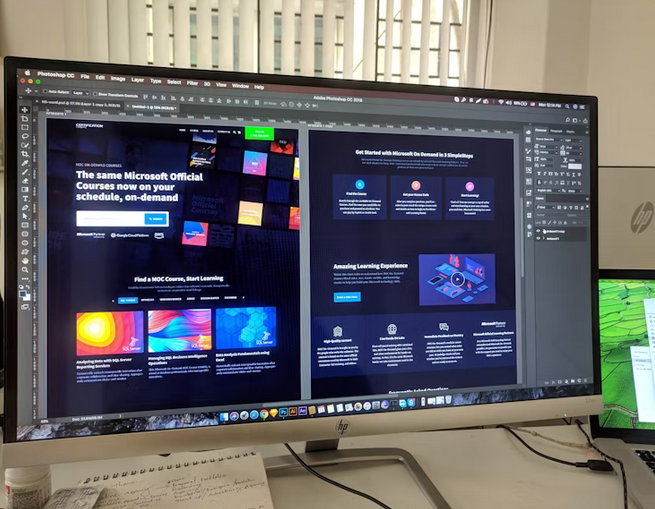
Adobe Premiere Rush is ideal for creators who want professional-grade tools while still working on a mobile device. It provides multi-track editing, motion graphics, and advanced color correction features. While it may seem overwhelming for beginners, its integration with Adobe Creative Cloud makes it especially valuable for creators who already use other Adobe apps. Premiere Rush also has strong export settings that optimize videos for TikTok’s platform, maintaining quality while reducing file size. For tech-savvy users aiming to stand out with polished, cinematic-style edits, Premiere Rush is a strong choice.
VN Video Editor: High-End Features Without the Price Tag
VN Video Editor has gained popularity thanks to its wide array of features that rival paid apps—without requiring a subscription. It offers advanced timeline editing, keyframe animation, and curve speed adjustment, making it possible to create dynamic, professional-quality TikTok videos. The app also allows for easy subtitle creation, an important element in boosting engagement since many viewers watch without sound. VN is especially loved by creators who want more control than CapCut or InShot offer but prefer a free option over Adobe Premiere Rush.
Filmora: Balancing Creativity With Simplicity
Filmora continues to be one of the most reliable video editing apps for TikTok content creators. It offers intuitive drag-and-drop editing along with an extensive library of effects, transitions, and royalty-free music. Filmora also includes AI-driven features such as motion tracking and auto-syncing with music beats. These tools help content stand out while keeping the editing process efficient. The app provides enough creative freedom to craft visually appealing videos while remaining approachable for beginners who don’t want to spend too much time learning complex systems.
For creators looking to increase their TikTok likes in 2025, video editing apps are indispensable tools. CapCut provides seamless integration with TikTok, InShot is excellent for multi-platform publishing, Adobe Premiere Rush delivers professional quality, VN offers advanced features at no cost, and Filmora balances creativity with ease of use. Choosing the right app ultimately depends …

Why Cloud Migration Is the Game-Changer Your IT Strategy Needs
In today’s fast-paced business world, staying ahead means constantly evolving your IT approach. One of the biggest shifts companies are making is migrating to the cloud—a move that’s reshaping how organizations manage their technology. Cloud migration isn’t just a trendy buzzword; it’s a strategic change that can boost agility, reduce costs, and improve security. If you haven’t seriously considered migrating your IT infrastructure to the cloud yet, it’s time to learn why this shift might be exactly what your IT strategy needs.
Greater Flexibility and Scalability
One of the biggest perks of cloud migration is the flexibility it offers. Unlike traditional on-premises systems, cloud platforms allow you to scale your resources up or down based on real-time needs. Whether you’re launching a new product or experiencing seasonal spikes, the cloud adapts quickly without the need for costly hardware investments. Companies looking for tailored IT solutions often turn to an it support company houston tx that understands how to leverage cloud scalability to fit their unique business cycles.
Cost Efficiency and Reduced Maintenance

Maintaining physical servers and hardware can drain both time and money. Cloud migration eliminates much of this overhead by transferring infrastructure management to cloud providers. This means fewer upfront costs, less need for dedicated IT staff to handle hardware issues, and predictable subscription pricing models. In the long run, many businesses find that moving to the cloud not only reduces expenses but also frees up resources to invest in growth initiatives.
Enhanced Security and Compliance
Security concerns often top the list when businesses hesitate about cloud migration. The good news? Leading cloud providers invest heavily in state-of-the-art security measures, including encryption, intrusion detection, and regular audits. Additionally, cloud platforms offer tools to help your business stay compliant with industry regulations. When paired with expert guidance from an experienced IT partner, migrating to the cloud can actually strengthen your organization’s security posture.
Improved Collaboration and Remote Access

Cloud migration supports the modern workforce by enabling employees to access data and applications from anywhere with an internet connection. This kind of remote access fosters better collaboration among teams, especially in companies with distributed workforces or multiple office locations. Cloud-based tools also facilitate real-time updates and file sharing, making teamwork smoother and more efficient.
Stronger IT Infrastructure
Technology moves fast, and businesses need to keep pace to stay competitive. Cloud platforms continually evolve, offering new features, integrations, and innovations without requiring you to upgrade physical hardware. This future-proofing means your IT infrastructure can quickly adapt to changing demands and emerging technologies, ensuring your business isn’t left behind.
Migrating to the cloud is more than a tech change; it’s a strategic evolution that empowers your business with flexibility, efficiency, and security. If your current IT strategy feels rigid or costly, embracing cloud migration could be the game-changer you need. By partnering with the right experts and understanding the benefits, you’ll be well-positioned to unlock new levels of agility and innovation in your business.…

What Happens When Blockchain Projects Forget to Market Themselves?
The blockchain space is bursting with innovation. From decentralized finance platforms to NFT marketplaces and Layer-1 protocols, developers are constantly building the next big thing. But despite groundbreaking ideas and flawless code, many blockchain projects quietly disappear. Why? The answer is often simple: no one knows they exist. Marketing isn’t just a luxury—it’s a necessity. Without it, even the most promising blockchain solutions can become ghost towns. Let’s explore what happens when blockchain teams focus on building but forget to tell the world.
Visibility Through Paid Social Media Likes
In the highly competitive crypto space, visibility determines survival. New projects are launching every day, all fighting for attention. If a project doesn’t actively promote itself, it gets lost in the noise. That’s where strategic content, community engagement, and even attention-grabbing tactics like viral posts or cheap Instagram likes can give a project the momentum it needs in its early stages. Visibility builds credibility—and credibility invites users, investors, and partners.
The Trap of “Build It and They Will Come”

Many blockchain developers fall into the trap of thinking that building a great product is enough. While technical excellence matters, it doesn’t guarantee adoption. Users need to know about a project, trust it, and understand its value. Without marketing, the best code in the world won’t save a project from fading into obscurity.
No Community, No Traction
Crypto lives and breathes community. A loyal, engaged audience doesn’t just use your platform—they evangelize it. Without marketing to foster a community, there’s no one to test features, give feedback, or spread the word. Projects that forget to invest in community-building find themselves with empty Telegram groups and silent Twitter feeds, no matter how revolutionary their product is.
Missed Opportunities for Strategic Partnerships
Marketing doesn’t just attract users and investors—it also opens the door to collaboration. Strategic partnerships can give projects access to new markets, tools, and communities. But if no one knows your project exists, those opportunities never come knocking. Well-marketed projects naturally invite interest from others in the ecosystem, leading to beneficial alliances that help everyone grow.
Investors That Need Convincing Too

Even if a project is technically sound, it still needs to appeal to potential investors. VCs and retail investors alike are drawn to momentum, public interest, and clear use cases. Without a marketing strategy that communicates value and potential, it’s hard to gain financial support. Many promising blockchain startups remain underfunded simply because they couldn’t tell their story well.
Trust That Is Built Through Communication
Blockchain is still a new and sometimes misunderstood technology. Marketing helps bridge the gap between technical complexity and public understanding. When projects share updates, clarify their missions, and respond to user concerns, they build trust. Silence, on the other hand, breeds skepticism. Without consistent communication, even solid projects can appear shady or inactive.
In the blockchain world, success isn’t just about code—it’s about connection. Projects that forget to market themselves risk wasting brilliant ideas and months (or years) of development. Marketing builds visibility, trust, and momentum—all crucial for turning vision into reality. So, if you’re building something great, don’t forget to shout it from the digital rooftops. Your future users are out there—they just need to know you exist.…

Artificial Engagement vs. Authentic Growth: How AI Detects Purchased Facebook Likes
For many businesses, Facebook remains a core platform for visibility. The race to gain followers and likes can be intense. Purchased likes often seem like a shortcut. At first glance, higher numbers on a page may look impressive. Yet, quick numbers do not always translate into meaningful results. Questions such as where to buy genuine Facebook likes surface often, but artificial engagement can create an illusion of popularity without actually delivering genuine customer connections.
What Is Artificial Engagement

Artificial engagement is any form of interaction that is not genuine. It usually comes from bots, inactive accounts, or paid click farms. These likes are often sold in bulk at cheap rates. They make a page look more popular than it is. The problem lies in their lack of interaction beyond the click. Purchased followers rarely comment, share, or buy. Over time, this gap becomes obvious both to real users and to Facebook’s systems.
Why Facebook Relies on AI
Detecting fake engagement at scale requires advanced tools. Facebook hosts billions of accounts, and manual monitoring is impossible. Artificial Intelligence provides the needed reach and precision. AI can spot unusual patterns in likes and follows across the platform. It continuously learns from new data, adapting to evolving fraud tactics. This automated detection is central to keeping the ecosystem trustworthy.
How AI Detects Purchased Likes

AI looks at behavior, not just numbers. Genuine users scroll, pause, click links, and interact in unique ways. Fake accounts often lack this activity. A sudden spike of thousands of likes in a short time raises suspicion. AI checks if these likes come from regions with no link to the page’s market. It studies the history of accounts, how often they log in, and what they do. When engagement lacks depth, AI flags it as artificial.
Authentic Growth and Its Value
Authentic growth comes from real users who find value in a brand’s content. They engage because something resonates. This leads to comments, shares, and discussions. These activities fuel Facebook’s algorithm in a positive way. Unlike purchased likes, authentic engagement builds trust. A smaller but genuine audience can outperform a large but artificial one. The long-term benefit of real followers is customer loyalty, which no shortcut can replicate.
Consequences of Artificial Engagement

Pages that rely on fake likes face risks. First, the algorithm lowers its reach. Facebook does not promote content from pages that show suspicious patterns. Second, credibility suffers. Customers notice when thousands of likes appear on posts with no real interaction. Third, there are enforcement actions. Pages caught repeatedly may be penalized, restricted, or even shut down. The short-term gain of purchased likes can become a long-term setback.
The Path to Authentic Growth
Building genuine engagement requires patience and strategy. Content should provide value, whether through information, entertainment, or insight. Brands must interact with their audience and respond consistently. Paid ads can support growth if targeted carefully. These methods may not create overnight success, but they establish durable connections. Authentic growth does not just increase likes. It ensures the audience is invested, leading to deeper loyalty and real conversions.
As technology evolves, AI detection will only grow sharper. Facebook continues refining its systems to stay ahead of fraudulent tactics. This creates an environment where authentic growth holds utmost importance. Brands must adapt by focusing on genuine strategies rather than shortcuts. In the future, platforms may integrate even more advanced tools, from predictive analytics to cross-platform behavior tracking. Staying aligned with authenticity will always remain the safer path.…

How AI Is Changing Personal Productivity Tools
Artificial intelligence is transforming the way we approach personal productivity, offering tools that can automate tasks, streamline workflows, and enhance decision-making. From smart calendars to AI-driven writing assistants, these innovations are helping individuals manage time more efficiently and achieve their goals with less effort. Content creators are also taking note of AI’s potential, particularly when seeking to increase engagement and reach on digital platforms. By integrating AI into both daily productivity and content creation, users can work smarter, make more informed decisions, and capitalize on growth opportunities. The fusion of AI and productivity tools is reshaping how we achieve more in less time.
Enhanced Scheduling and Time Management
Scheduling meetings and managing time is another area where AI has a significant impact. AI-powered calendars can automatically suggest meeting times, optimize schedules, and detect potential conflicts. Some platforms even analyze user habits to recommend breaks or suggest when to tackle complex tasks based on peak productivity hours. These features reduce the cognitive load on individuals, ensuring that their time is used effectively without constant manual oversight.
Smarter YouTube Task Management
Skyrocket your YouTube views today with AI. As it has become a common goal for many creators looking to leverage AI-driven analytics, optimization tools, and recommendation strategies to expand their audience, the use of AI on content planning is now more common than ever. AI-driven task management tools are changing how users prioritize and post their creativity on YouTube. By analyzing patterns in schedules and past algorithms, these tools can suggest optimal upload orders, remind users of schedules, and even predict potential bottlenecks that might come along the progress. This proactive approach minimizes wasted time and allows YouTube content creators to focus on high-quality videos. As a result, seamless flow becomes less about constant content planning and more about executing tasks efficiently, with AI guiding the way.

Intelligent Note-Taking and Information Organization
Note-taking apps are also benefiting from AI integration. Tools can now transcribe audio, summarize content, and categorize information automatically. By recognizing key concepts and trends in notes, AI assists users in retrieving relevant information quickly. This not only saves time but also enhances decision-making and reduces the effort needed to manage large amounts of data. The ability to organize knowledge intelligently is especially valuable for students, professionals, and anyone managing multiple projects.
Automation of Repetitive Tasks
One of the most significant contributions of AI to productivity tools is automation. Repetitive tasks such as email sorting, data entry, or report generation can now be handled by AI algorithms. By taking over these mundane responsibilities, users free up mental energy to focus on creative or strategic work. Automation also reduces human error, ensuring tasks are completed accurately and consistently.
Personalized Insights and Recommendations
AI doesn’t just assist with task execution; it also provides insights to improve performance. By analyzing user behavior, AI tools can offer recommendations on productivity techniques, highlight areas for improvement, and even suggest new workflows. These personalized insights make productivity tools not only supportive but also educational, helping individuals work smarter and continuously refine their processes.
Artificial intelligence is revolutionizing personal productivity tools by making them smarter, more adaptive, and more capable of supporting individual work styles. From task management and scheduling to note-taking, automation, and personalized insights, AI enhances efficiency and reduces cognitive load. As these tools continue to evolve, they will empower users to achieve more with less effort, transforming how people manage their time, prioritize tasks, and accomplish goals in an increasingly complex world.…

Is Streaming TikTok Live From Desktop Worth It? Pros and Cons
TikTok Live isn’t just about going live; it’s about going live well. And lately, creators are asking if desktop streaming gives them an edge. One of the main motivations is the desire to boost TikTok Live stream visibility, hoping that a cleaner setup and smoother delivery will keep viewers around longer and increase algorithm reach.
It makes sense. Desktop setups look sharper, sound better, and let you do things mobile streaming can’t. But before you abandon your phone and plug into your PC, you should know the trade-offs. More features don’t always mean better results. In some cases, they add friction. In others, they help you stand out. Let’s break it down.
You Get More Control With TikTok Live Studio
TikTok Live Studio (still in beta for many users) is TikTok’s own desktop tool for streaming. It works a lot like OBS or Twitch-style software. You can adjust your screen layout, add overlays, share your screen, and use external gear. That level of control is great for creators doing tutorials, game streams, or product demos.
The Desktop Route Demands More Tech Prep
Streaming from a desktop isn’t plug-and-play. You’ll need a solid internet connection, a working webcam, good lighting, and maybe even external audio gear. Miss one step—like poor mic input or delayed video—and your stream suffers. Mobile TikTok Live may be basic, but it just works. A desktop comes with a steeper learning curve.
You Can Use OBS and Third-Party Software, If You Know How

Want to look ultra-professional? OBS and Streamlabs let you create a more polished Live, complete with lower-thirds, reaction windows, and transitions. But setup takes time. You’ll also need to pair TikTok with a stream key or compatible software that works with TikTok Live Studio.
It’s Great for Niche Content, Less So for Quick Lives
Desktop is ideal for creators who plan structured content: long-form Q&As, gaming, live product walkthroughs, and art demonstrations. It feels more like a broadcast than a casual check-in. But for spontaneous streams, updates, or just vibing with followers, mobile is still the better choice. Your phone goes where you go. Your PC, not so much.
Going Desktop Won’t Automatically Get You More Viewers
Some assume desktop streaming will magically boost TikTok Live stream visibility. It won’t, at least not on its own. TikTok’s algorithm still cares about interaction: comments, likes, and watch time. That said, a higher-quality stream can help people stay longer, which tells TikTok your content is worth pushing.
Think of the desktop as a tool to support engagement, not a shortcut. If you’re building a brand, want polished visuals, and can handle the tech, desktop streaming opens new doors. But if your strength is personality-driven, spontaneous content, there’s zero shame in sticking to mobile. At the end of the day, the platform doesn’t make the creator. The connection does. Start with what feels right, then upgrade when you’re ready, not because everyone else is doing it.…

Ways AI Is Changing the Game in Social Media Security
Social media platforms have become digital battlegrounds where cybercriminals wage war against user safety. Traditional security measures are crumbling under the weight of sophisticated attacks and massive user bases. What Users Are Saying About Buy Real Media is very important to consider. This way, you can make reasonable decisions. Enter artificial intelligence—the game-changer that’s revolutionizing how we protect millions of users online. Think of AI as the superhero swooping in just when things looked hopeless. These intelligent systems are transforming social media security from reactive damage control into proactive protection. The stakes couldn’t be higher, and AI is rising to meet the challenge head-on.
Real-Time Content Moderation and Threat Detection
Gone are the days when human moderators could manually review every post, comment, and message across platforms. AI algorithms now scan billions of pieces of content in milliseconds, catching harmful material before it spreads like wildfire. These systems learn from patterns in cyberbullying, hate speech, and harassment to identify threats with impressive accuracy. Machine learning models can spot subtle signs of coordinated attacks that would slip past human reviewers. The technology adapts continuously, staying one step ahead of bad actors who constantly evolve their tactics. This lightning-fast response time means fewer users fall victim to online abuse and dangerous content.
Advanced Fraud Prevention and Account Security

Artificial intelligence has become the digital equivalent of a bloodhound, sniffing out fraudulent accounts and suspicious behavior patterns. These systems analyze login patterns, device fingerprints, and behavioral biometrics to distinguish legitimate users from imposters. AI can detect when someone’s account has been compromised before the actual user even realizes something’s wrong. Sophisticated algorithms identify fake profiles created for spreading misinformation or conducting scams with remarkable precision. The technology examines everything from typing patterns to mouse movements, creating comprehensive user profiles that are nearly impossible to fake. Social media companies can now stop fraud attempts in their tracks rather than clean up the mess afterward.
Automated Privacy Protection and Data Management
Smart algorithms are taking charge of protecting user privacy by automatically detecting and flagging potential data breaches. AI systems monitor how personal information flows through social platforms, alerting users when their data might be at risk. These intelligent guardians can identify when third-party apps are requesting excessive permissions or behaving suspiciously with user data. Machine learning models analyze sharing patterns to warn users before they accidentally expose sensitive information publicly. The technology helps platforms comply with privacy regulations by automatically categorizing and protecting different types of personal data. Users no longer need to be privacy experts themselves—AI handles the heavy lifting behind the scenes.
Predictive Analytics for Emerging Security Threats

Artificial intelligence doesn’t just respond to current threats—it predicts what’s coming next. These systems analyze global attack patterns to forecast emerging security risks before they become widespread problems. AI models can identify the early warning signs of new types of social engineering attacks or malware campaigns. The technology processes vast amounts of threat intelligence data to spot trends that human analysts might miss. Predictive algorithms help security teams prepare defenses against attacks that haven’t even been launched yet. This forward-thinking approach transforms social media security from playing defense to taking the offensive against cyber criminals.
The integration of AI into social media security represents a fundamental shift in how we protect digital communities. These intelligent systems are closing security gaps that seemed impossible to bridge just a few years ago. From instant content moderation to predictive threat analysis, AI is creating safer online spaces for everyone. The technology continues advancing at breakneck speed, promising even more sophisticated protection mechanisms on the horizon. While cybercriminals won’t give up easily, they’re now facing an opponent that learns, adapts, and evolves just as quickly as they do. The future of social media security looks brighter than ever, thanks to artificial intelligence standing guard.…
Top 7 Cheap TikTok Growth Services Backed by Real Tech
Growing a following on TikTok isn’t as simple as posting a few trendy videos and hoping for the best. With millions of creators uploading content daily, standing out takes more than creativity—it takes strategy, consistency, and sometimes, a little technical help. That’s where TikTok growth services come in. But not all of them are worth your time or money.
If you’re looking for affordable services that rely on real algorithms and engagement tech—not fake followers or shady shortcuts—this list is for you. We’ve rounded up seven trusted options that blend low costs with smart technology to give your TikTok account a genuine boost.
GetAFollower Delivers Scalable, Tech-Smart Results
If you’re looking for a cheap TikTok growth service that also uses solid tech to ensure long-term success, GetAFollower is a top-tier choice. GetAFollower is one of the most widely recognized platforms in the social media marketing space. What makes it particularly appealing is its blend of affordability and automation. The service offers real engagement from targeted users, rather than bots, which keeps your growth organic and aligned with TikTok’s algorithm. From likes and followers to views and shares, they provide a full suite of options for creators at any level.
TokUpgrade Uses AI to Match Real Interests
TokUpgrade stands out by integrating AI to analyze your audience and engage with users who are most likely to follow and interact with your content. Instead of offering quick-fix numbers, it focuses on genuine engagement from real people. The system is designed to understand TikTok’s interest-based algorithm and mimic natural interactions, which means the followers you gain are more likely to care about your content.
SocialBoost Combines Manual Targeting With Smart Automation
SocialBoost uses a hybrid approach that blends human oversight with powerful automation tools. Their team manually adjusts your targeting parameters to make sure your content reaches the most relevant audience. Then, their automated tools continue optimizing the engagement process. It’s a good mix of tech and touch, offering real-time analytics so you can track your progress as your account grows.
Media Mister Offers All-in-One Cross-Platform Services
While Media Mister supports a wide range of social platforms, their TikTok-specific services are both effective and budget-friendly. They use real-time data tracking to adjust their promotional strategies, ensuring you don’t just get more followers—you get ones who are active and engaged. They also offer custom packages, so whether you’re just starting or already scaling, you can pick a plan that fits your needs.
Instaboost Uses Behavior-Based Targeting
Instaboost’s TikTok service uses behavior modeling to target users who are most likely to engage with your content. By analyzing watch time, engagement patterns, and hashtag interactions, they push your videos to viewers whose behavior matches your niche. This kind of refined targeting increases the odds that your content will resonate and encourages algorithmic visibility without inflating your follower count with low-quality accounts.
HypeGrowth Keeps It Personal With a Dedicated Growth Manager
HypeGrowth combines tech and personal service by assigning a dedicated growth manager to every account. These managers use smart scheduling and audience analysis tools to plan content rollout and maximize reach. The human oversight adds a layer of strategic decision-making, while the tools they use ensure everything is based on performance data, not guesswork. It’s a great option for creators who want more control without having to do all the legwork themselves.
SidesMedia Delivers Quick Results Without Cutting Corners
If you’re short on time and want faster results, SidesMedia can help. Their TikTok growth services emphasize speed, but not at the expense of quality. They use API-safe automation and audience segmentation to deliver targeted engagement that won’t get flagged by TikTok’s system. The result? You grow faster, but your audience still feels authentic—and your account stays safe.
TikTok growth services have come a long way, and the best ones don’t rely on bots or empty numbers. They use smart, evolving technology to help you connect with …

How Tech Startups Grow Instagram Organically (Plus When to Buy Followers)
Instagram is an essential platform for tech startups aiming to grow their brand. But growing an authentic Instagram following takes more than just posting pictures. Many startups consider purchasing followers due to slow growth. Before you jump into buying followers, let’s explore how tech startups can grow their Instagram organically, and when it might actually make sense to buy Instagram followers reddit.
Create Engaging Content
 Compelling content is at the heart of Instagram growth. For tech startups, it’s essential to share more than just standard posts, your content should resonate with your target audience. The key is to make sure your content is both interesting and informative. Consistency matters too. Post regularly, offering a balance of high-quality images, infographics, or short videos. Showcase your startup’s innovation and highlight how your product or service stands out.
Engage With Followers
Engagement goes beyond posting content—it’s about creating conversations. Respond to comments, start discussions, and like posts from your followers. Join relevant hashtags and share user-generated content. The goal is to build a community where your followers feel heard. Engagement strengthens your brand’s relationship with followers and increases your chances of appearing on their feeds and those of their followers. Authentic interactions lead to higher visibility and real connections.
Use Hashtags for Visibility
Hashtags can significantly expand your reach. However, tech startups need to use hashtags that are relevant to both their product and target audience. Don’t overload posts with generic hashtags, focus on a mix of popular, niche, and branded hashtags.
Partner With Influencers
Influencer marketing is a powerful way to reach new audiences. Tech startups can benefit from partnering with influencers who have a trusted following. Influencers can showcase your product in real-life situations, boosting credibility and visibility. When choosing influencers, make sure they align with your startup’s values. Aim to build long-term relationships with influencers who genuinely believe in your brand, rather than just paying for a one-off post.

When Buying Followers Can Help
While organic growth should always be prioritized, buying followers can sometimes offer a temporary boost. For instance, if you’re launching a product or running a campaign, purchasing followers could help build initial social proof. However, be aware that these purchased followers will not engage with your content. They won’t comment, like, or share, potentially lowering your engagement rate. Thus, buying followers should only be used sparingly and as a short-term tactic. Buy Instagram followers reddit only if you have a plan to convert these followers into real, engaged customers. Growing your tech startup’s Instagram presence takes time and effort, but the results are worth it. Focus on creating engaging content, interacting with followers, using hashtags strategically, and leveraging influencer partnerships. These organic growth strategies will lead to real, engaged followers, unlike the short-term boost from purchased followers. By building a community around your brand, your Instagram following will grow authentically and sustainably. In the end, you’ll grow it like your own son.…
How to Run DJI Mimo on PC
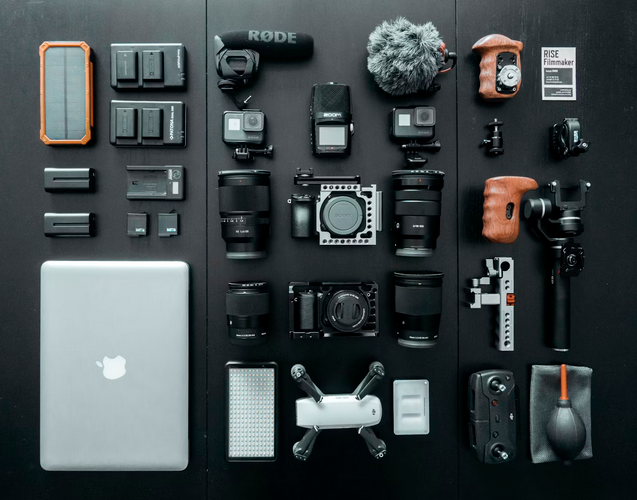
DJI Mimo is the essential companion app for DJI handheld gimbal devices, offering advanced video recording, stabilization, and post-production editing features. With an intuitive interface, the app provides access to various modes, including story mode, manual camera controls, and real-time adjustments. Using dji mimo windows enhances the overall experience of using DJI products by allowing users to get the most out of their camera gear. However, DJI Mimo is designed primarily for mobile devices, leaving many PC users wondering how to leverage the app’s functionality on a bigger screen. Fortunately, running DJI Mimo on your PC is possible with the help of an Android emulator like Bluestacks. The details below will take you through the steps necessary to achieve this setup.
Overview of the DJI Mimo App
DJI Mimo is a robust app designed to work with DJI’s Osmo Pocket and Osmo Mobile series, enhancing users’ videography with intelligent modes and comprehensive camera settings. The app is widely appreciated for its story mode, which allows users to shoot creative videos with pre-set templates, making content creation more accessible for beginners. For professionals, DJI Mimo offers detailed manual controls over exposure, ISO, and shutter speed, empowering users to fine-tune their shots according to their needs.
Another standout feature of DJI Mimo is its live feed feature, which lets users monitor footage in real time through their smartphone. Whether stabilizing footage, applying filters, or adjusting settings on the fly, DJI Mimo ensures a smoother experience. However, for those who prefer the larger PC screen, using an emulator like Bluestacks becomes necessary, as the app doesn’t have an official desktop version.

Reasons to Use DJI Mimo on a PC
Using DJI Mimo on a PC can be advantageous for several reasons. First, the larger screen offers better control and a more comfortable editing experience, allowing users to view the finer details of their footage. Moreover, managing files and footage can be easier on a PC, especially when dealing with larger video files. Running DJI Mimo on a computer also facilitates smoother multitasking, as users can quickly switch between the app and other editing software.
Steps to Run DJI Mimo on PC Using BlueStacks
Begin by visiting the official Bluestacks website and downloading the most recent emulator version that is compatible with your operating system. Once the download is complete, launch the installer and follow the on-screen directions to install Bluestacks on your computer. After installation, start Bluestacks on your computer. You’ll be prompted to sign in using your Google account. This step is required to use the Google Play Store and download applications. Sign in with your Google credentials and go through the first setup procedure.
Once Bluestacks is set up, click on the “Google Play Store” icon within the emulator. In the Play Store, use the search bar at the top to search for “DJI Mimo.” Locate the DJI Mimo app in the search results and click on it. Click the “Install” button to download and install DJI Mimo on Bluestacks. Click on the DJI Mimo icon to launch the app. You can now connect your DJI devices and start using the app on your PC, enjoying the benefits of a larger screen and easier controls.…

How to Get Tuya Smart on PC
Imagine walking into a room, saying, “Turn on lights,” and the lights magically turn on. Or, when you think you forgot to turn off the smart TV, you can check your phone and turn it off remotely. These are just some of the conveniences that Tuya Smart offers. Tuya Smart is a smart home platform that allows you to control your home appliances remotely with your phone or tablet.
While it is mainly developed and designed for mobile users, it doesn’t mean that you can’t use Tuya Smart on your PC using an emulator. Keep reading to find out just how to do it. In this guide, we will show you how to get Tuya Smart on a PC using the LD Player emulator.
Exploring the Tuya Smart App and Its Interface

When you first open the Tuya Smart app, get ready to be impressed! The interface is sleek, modern, and user-friendly. With its intuitive design, navigating through the app is a breeze. You’ll find all your connected devices neatly organized on the home screen, making it super easy to control and manage them.
But that’s not all – Tuya Smart offers a library of features that allow you to customize and personalize your smart home experience. From adjusting lighting levels to setting schedules for your appliances, everything can be done with just a few taps on your screen.
How to Get Tuya Smart on PC Using LD Player Emulator
With Tuya Smart, you can now easily manage all your smart home devices right from your PC using the LD Player Emulator. But how can you download Tuya Smart on PC? To get started, simply download and install the LD Player Emulator on your PC. Once installed, get the emulator launched and search for “Tuya Smart” in the Play Store within the emulator. Hit the install button. Within moments, Tuya Smart will be ready to use on your PC.
Now that you have Tuya Smart running on your PC through LD Player Emulator, you can enjoy seamless control over all your smart home devices without having to constantly reach for your phone. It’s convenient, time-saving, and enhances the overall experience of managing a smart home system.
Tips and Tricks to Use Tuya Smart for Smarter Living

When it comes to managing your smart home devices, Tuya Smart is the ultimate tool that puts control at your fingertips. But did you know that there are some tips and tricks that can make your experience even better? Let’s find out. Take advantage of creating custom scenes and automation. With Tuya Smart, you can set up specific actions to occur automatically based on certain triggers. For example, you can create a scene called “Good Morning” where the lights turn on gradually, the blinds open, and your favorite music starts playing as soon as your alarm goes off. It’s like having a personal assistant taking care of everything for you.
You can also integrate voice control with Tuya Smart using virtual assistants such as Amazon Alexa or Google Assistant. It basically lets you control your smart home devices simply by speaking commands. Want to dim the lights or adjust the thermostat without lifting a finger? Just say the magic word.
Creating Custom Scenes and Automation
With custom scenes, you can set up your smart home devices to work together in perfect harmony. For example, imagine coming home after a long day at work. As soon as you unlock your front door, the lights in your hallway automatically turn on, creating a warm and welcoming atmosphere. Simultaneously, your favorite playlist starts playing softly through your connected speakers – pure bliss. Now, do you want your curtains to open automatically when the sun rises? No problem! Simply set up an automation using Tuya Smart’s intuitive interface and let technology do the rest.
The possibilities are totally endless when it comes to creating custom scenes and automation …

How to Install FR Legends on PC
Whether you’re a car enthusiast or simply love the thrill of racing, this popular mobile game is sure to rev your virtual engines. With its stunning graphics, exciting gameplay features, and endless customization options, FR Legends PC has become a go-to choice for gamers worldwide. But you need an emulator to run it on your PC.
But before you dive headfirst into the world of drift racing in FR Legends, keep on reading to familiarize yourself with key aspects, such as the game’s impressive graphics that bring every detail to life.
The Graphics of FR Legends

The developers have truly raised the bar with their attention to detail and stunning visual effects. From the moment you step into the game, you’ll find yourself immersed in a world of vibrant colors, realistic car models, and dynamic environments. Every element is meticulously designed to provide an authentic drift racing experience.
The cars themselves are beautifully rendered, with intricate details that make them feel like works of art. You can almost feel the sleek curves and aerodynamic designs as you navigate through each race. But it’s not just about how good things look; it’s also about how they move. FR Legends boasts fluid animations that bring each race to life. Whether you’re drifting around corners or launching off ramps, every movement feels smooth and natural.
Gameplay Features
FR Legends offers a variety of exciting features that make it a must-play for racing enthusiasts. For starters, the game boasts stunning graphics that bring every detail of the cars and tracks to life mentioned. Aside from that, you can easily be stunned by the extensive car customization options available. Another highlight is the intuitive controls that allow players to easily maneuver their cars on various tracks.
The responsive handling ensures an immersive driving experience as you navigate hairpin turns and master complex drift techniques. To keep things interesting, FR Legends also offers different game modes, such as Time Attack and Drift Battle. With its engaging gameplay mechanics and endless customization possibilities, FR Legends delivers an adrenaline-pumping racing experience like no other.
Potential Bugs and Troubleshooting Tips
Though the game is incredibly good, there might be some cases of bugs. But these bugs should not be a problem. These include lag or performance issues to in-app purchases not working. If you experience lag or poor performance while playing FR Legends, close any other apps running in the background to free up system resources.
Lowering the graphics settings within the game can also improve performance on older devices. But if you find that the controls in FR Legends are not responding as expected, try calibrating them from the settings menu. You can easily also connect an external pro controller to your device for more precise control over your car.
How to Install FR Legends on PC Using the BlueStacks Emulator

Installing FR Legends on PC using the BlueStacks Emulator is a straightforward process that allows you to enjoy this popular racing game on a bigger screen. Here’s a step-by-step guide to help you get started.
First off, download the BlueStacks Emulator from their official website. Once installed, launch the BlueStacks Emulator and log in to your Play Store or App Store account. Next, search for “FR Legends” in the Play Store and click on the install button. After installation, you can find FR Legends listed among other apps within BlueStacks. Simply click on its icon to launch the game.
Final Note
Now that you know how to install FR Legends on PC using BlueStacks Emulator, why not challenge yourself with high-speed drift races right away? Get behind the virtual wheel and show off your skills.…

How to Choose a Home Security System
When it comes to choosing a wireless home security systems, there are a lot of factors to consider. How much can you afford to spend? What type of system do you need? What features are important to you? This blog post will discuss some of the key things to keep in mind when making your decision. We will also provide a few tips on how to get the best deal on a home security system. When you’re starting your search or you’re already familiar with the options, read on for helpful advice!
Entry Sensors
 One of the most important things to consider when choosing a home security system is the type of sensors you need. Entry sensors detect when someone opens a door or window, while motion detectors sense movement in a room. Smoke detectors detect fires before they become too large. When it comes to entry sensors, there are two main types: contact and non-contact.
Which type you choose depends on your needs and budget. If you’re looking for the most affordable option, contact sensors are the way to go. If you’re more concerned about security and want to ensure that unauthorized people can’t get into your home, go with non-contact sensors.
Motion Sensors
Motion detectors are another critical consideration. There are two types: passive and active. Passive motion detectors only detect movement when someone is close to them, while active motion detectors can see through walls. If you’re looking for an all-around sensor, go with an active motion detector. If you only need a sensor in one specific area of your home, a passive motion detector will do the job.
Smoke Detectors
 Smoke detectors are also essential to consider when choosing a security system. There are two types: ionization and photoelectric. Ionization smoke detectors are more sensitive and can detect smaller fires, while photoelectric smoke detectors are less sensitive but better at detecting large fires. Which type you choose depends on your needs and budget. If you’re looking for a primary smoke detector that will alert you to any fire, go with an ionization model. If you want a smoke detector that is more sensitive to smaller fires, choose an ionization model. If you want a smoke detector that can detect large fires, go with a photoelectric model.
Sirens and Alarms
 When it comes to home security, one of the essential things is to sound the alarm in an emergency. Most home security systems come with a siren or alarm that will go off when someone tries to break into your home. Make sure to pick a system with a siren or alarm that is loud enough to be heard throughout your home.
What’s the best home security system for you? There are various options, and it can be challenging to decide which security company is suitable for your needs. As such, we hope these tips will allow you to answer this question better so that you feel confident in your decision. If there’s anything we’ve missed or any other information you want, just let us know by commenting below! We’re always happy to help out with all things related to safety and surveillance technology.…